Mountain Park · Ladakh · India
Hemis National Park
- Type
- Mountain Park
- Area
- 4 400 km²
- Founded
- 1981
- Tickets
- 1 ticket or tour
Hemis National Park tickets and tours: which one to book
Hemis is a high-altitude park in Ladakh, in the far north of India, across the Indus from the town of Leh, which is reached by a spectacular flight of an hour and a quarter from Delhi or, from June to September, by two famous mountain roads, from Manali and from Srinagar, and the park is visited in two quite different ways according to the season. In summer it is trekking country: the Markha valley trek, the most popular in Ladakh, runs through the middle of it, from Spituk or Chilling up the Markha river, past villages, ruined forts and monasteries, over the Kongmaru La, 5,260 metres, and down to Shang Sumdo near Hemis, in six to eight days, with nights in village homestays or tents, and shorter walks of two or three days cross the Ganda La or the Stok La from the Rumbak valley. In winter, it is the best place in the world to see a snow leopard.
From about December to March, specialised operators in Leh run snow leopard expeditions of ten days to two weeks, based in homestays in the village of Rumbak, at about 4,000 metres, or in tented camps in the side valleys of Husing and Tarbung, a few hours' walk or a short drive from the roadhead at Zingchen: teams of local spotters, men from these villages who have become astonishingly good at it, scan the ridges from dawn with telescopes, and guests wait, in cold that falls to minus twenty or lower at night, for a call on the radio. Sightings are usually distant, through a scope, and in recent winters most groups that stayed a week have had at least one. Everyone must spend two or three days acclimatising in Leh, at 3,500 metres, before going anywhere. A park fee and, for some areas, permits are arranged by the operators.
Tickets and tours for Hemis National Park
Live dates and prices from GetYourGuide. Free cancellation on most tickets.
Visiting Hemis National Park: what you will see
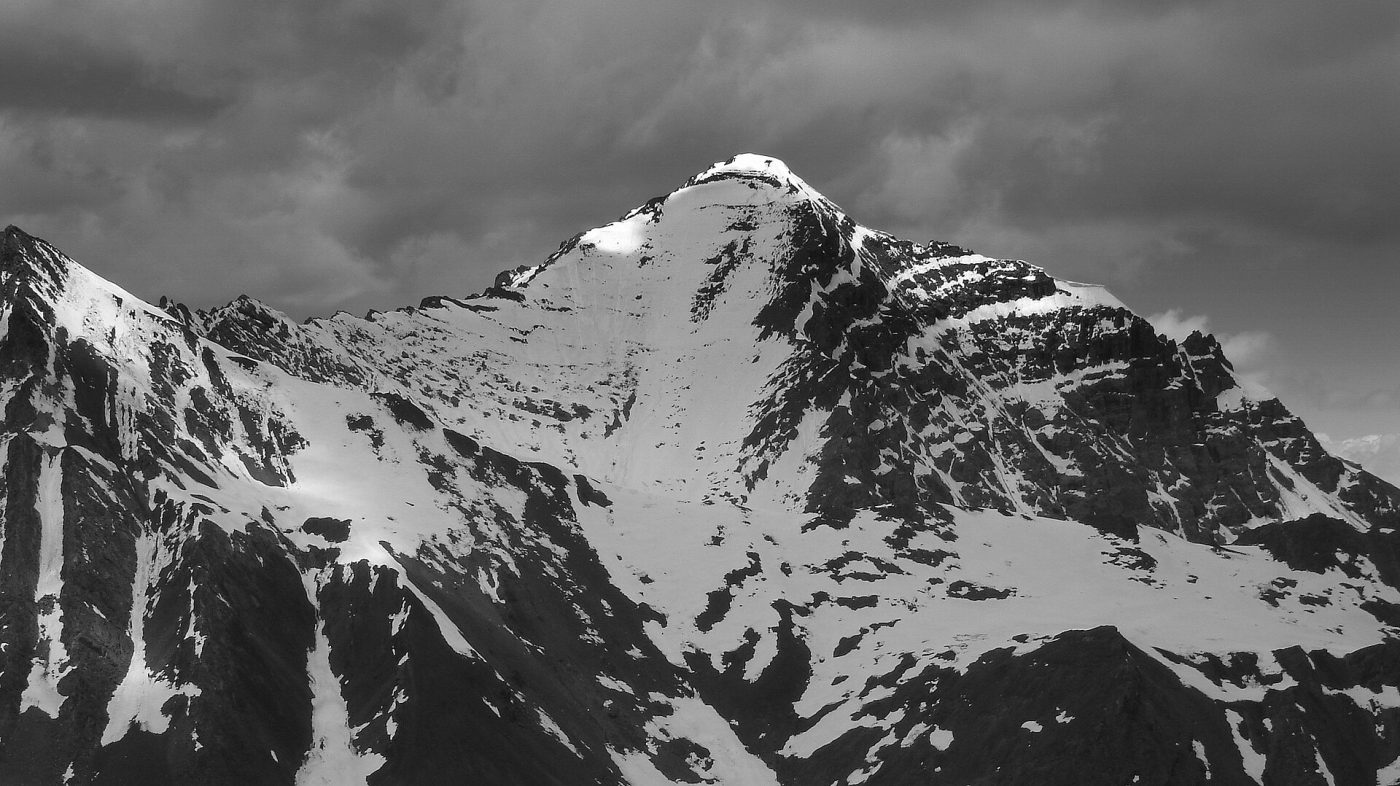
Hemis was established in 1981, to protect the catchments of the Rumbak and Markha, and enlarged in 1988 and 1990 to about 4,400 square kilometres, which makes it the largest national park in India and indeed in South Asia; it takes its name from the monastery of Hemis, the largest and richest in Ladakh, which stands just inside its eastern edge. It occupies the northern flank of the Zanskar range, south of the Indus, between about 3,300 and more than 6,000 metres, a high, cold desert in the rain shadow of the Himalaya, with less than two hundred millimetres of precipitation a year: bare, banded mountains of purple, green and ochre rock, deep gorges, scree, and thin strips of willow, poplar, sea buckthorn and barley fields along the glacial streams, where about sixteen hundred people live in a score of villages. The snow leopard is the reason the park is known.
Surveys suggest a density here as high as anywhere in its range, two hundred or so animals in Ladakh as a whole and several dozen in the park, living on bharal, the blue sheep, which are abundant on the cliffs, on the Asiatic ibex, the Ladakh urial, a wild sheep confined to these valleys, and the great argali, and, inevitably, on the villagers' sheep, goats and young yaks. Until the 2000s herders killed leopards in retaliation; a conservation trust based in Leh then helped them build predator-proof corrals, set up livestock insurance, and, above all, established the homestay scheme in Rumbak and the Markha valley, by which families earn directly from the visitors who come to see the animal, which has turned it from an enemy into an asset and is cited everywhere as a model. The Tibetan wolf, the red fox, the Eurasian lynx, the Himalayan marmot, the woolly hare and the pika are the other mammals, and among the birds are the golden eagle, the lammergeier, the Himalayan griffon, the Tibetan snowcock, the chukar, the fire-fronted serin and the robin accentor. Hemis monastery, founded in 1630, holds in early summer a two-day festival of masked dances in honour of Padmasambhava.
Hemis National Park: best time to go, seasons and hours
The park can be visited all year. The trekking season runs from mid-June to mid-October, with warm days, cold nights, rivers to ford that are highest in July and August, and the Markha valley busiest in those two months; the roads into Ladakh are closed by snow from about November to May, when the only access is by air. The snow leopard season runs from December to mid-March, with February, the mating season, when the cats call and move about by day, generally thought the best.
The altitude is the great risk at any season: rest for at least two full days in Leh, drink a great deal, ascend slowly, and descend at the first sign of serious sickness. Allow a week for a trek, ten days to two weeks for the leopards. Leh and the monasteries of the Indus valley, Thiksey, Shey and Stakna, are an hour away, the Nubra valley and Pangong lake beyond high passes to the north and east.
More tours and activities in Ladakh
Before you go
Can I book a tour or safari in Hemis National Park online?
Yes. GetYourGuide lists one ticket or tour for Hemis National Park, with live dates and prices and free cancellation on most of them.
How much is the entrance fee for Hemis National Park?
A park fee and, for some areas, permits are arranged by the operators.
How many days do you need in Hemis National Park?
Allow a week for a trek, ten days to two weeks for the leopards.
How big is Hemis National Park?
Hemis National Park covers 4 400 km².
When was Hemis National Park founded?
Hemis National Park was established in 1981.
Where is Hemis National Park?
Hemis National Park is in Ladakh, India. The map on this page shows the exact spot.