Marine Park · Puerto Rico · United States
La Cordillera Reef Nature Reserve
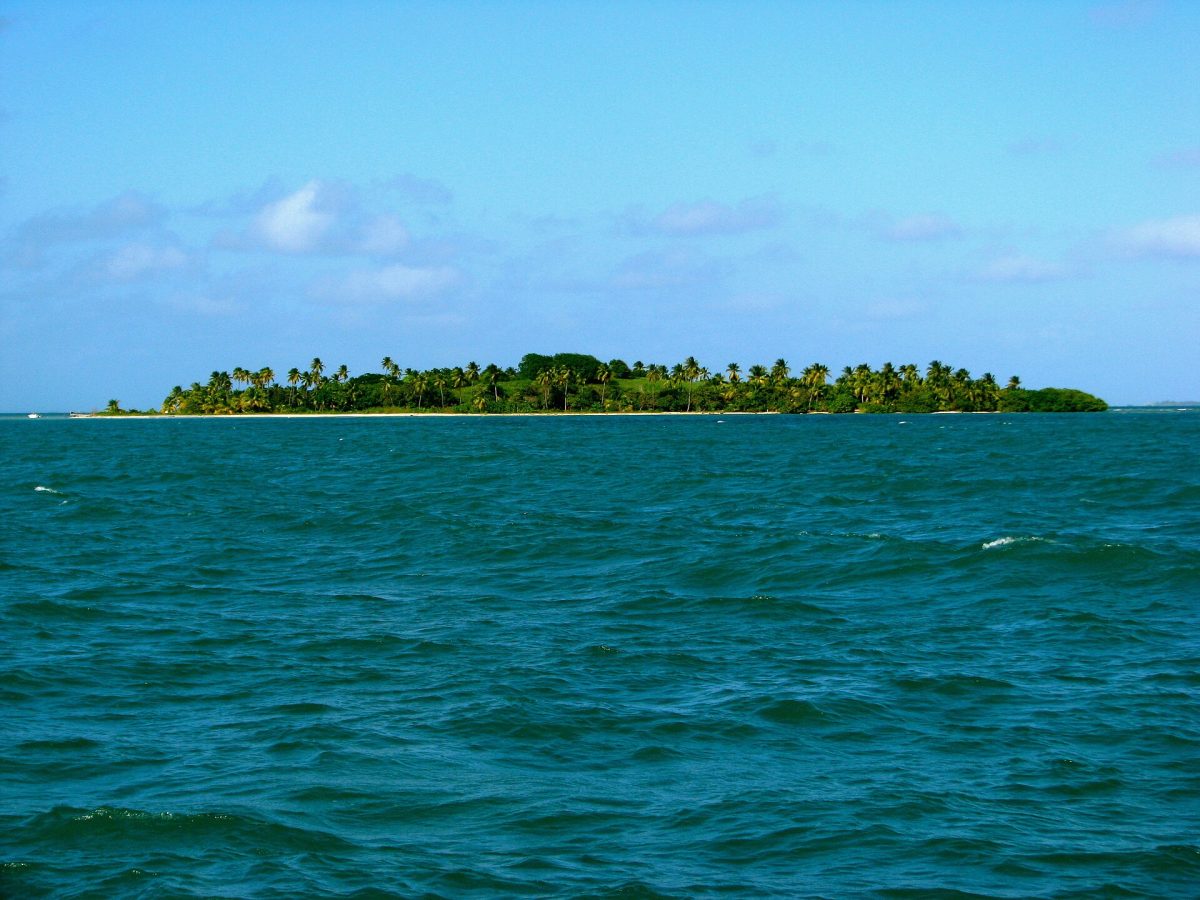
Photo: https://www.flickr.com/people/jeffgunn/, CC BY 2.0
- Type
- Marine Park
- Where
- Puerto Rico, United States
- Area
- 100 km²
- Founded
- 1980
- Tickets
- 9 tickets and tours
La Cordillera Reef Nature Reserve tickets and tours: which one to book
La Cordillera is a chain of small, uninhabited cays, reefs and rocks that stretches eastwards from the north-eastern corner of Puerto Rico towards the island of Culebra, and it has nothing to do with the Cordillera Blanca and Huayhuash ranges of Peru, whose treks share its name in searches. It is visited by boat from the town of Fajardo, about an hour by road east of San Juan, and it is the standard day at sea for visitors to the island: the catamaran trips to Icacos. Large sailing and power catamarans, carrying forty or more passengers, leave the marinas of Fajardo, chiefly Villa Marina and Puerto del Rey, in the morning, reach the cays in thirty to forty-five minutes, anchor off the beach of Cayo Icacos for swimming and then over a nearby reef for snorkelling, with equipment, a buffet lunch and rum punch included, and return by mid-afternoon;
transport from the hotels of San Juan is usually offered as an extra. Smaller operators run the same trip in fast boats for six or a dozen people, which cost more, stay longer, reach quieter spots such as Cayo Lobos or Palominito, and are much the better choice. Water taxis from Las Croabas, the fishing harbour of Fajardo, will simply drop visitors on Icacos for the day and collect them, at a fraction of the price, with nothing provided: there are no facilities of any kind on the cays, no shade, water, toilets or bins, so everything must be carried in and out. The reserve is free. Kayak and snorkel tours, and diving trips to the outer reefs, complete the offer, and many visitors add an evening in the bioluminescent lagoon at Las Croabas.
9 tickets and tours for La Cordillera Reef Nature Reserve
Live dates and prices from GetYourGuide. Free cancellation on most tickets.
Visiting La Cordillera Reef Nature Reserve: what you will see
The reserve was designated by the government of Puerto Rico in 1980 and is managed by its Department of Natural and Environmental Resources; it extends for about eighteen nautical miles from the headland of Las Cabezas de San Juan, with its lighthouse, towards Culebra, and covers some 10,000 hectares, nearly all of it sea. The chain consists of about ten cays and islets, Icacos, Ratones, Lobos, Palominos, Palominito, La Blanquilla, Diablo and others, with numerous reefs and rocks between them, the exposed crest of a ridge of fossilised sand dunes and coral rock, the cordillera of the name, which acts as a natural breakwater for the coast of Fajardo: on its northern side the Atlantic swell breaks, and on the southern side the water is calm, shallow, brilliantly clear and the shade of blue-green for which people cross oceans. Icacos, the largest at about sixty-six hectares, named for the cocoplum bushes that grow on it, has a long beach of white sand on its sheltered side, low dry scrub, sea grape and a few ruins of a nineteenth-century limestone quarry and kiln;
Lobos and Palominos are privately owned, the latter leased by a large resort as its guests' beach; and Palominito, a tiny spit of sand that appeared in one of the Pirates of the Caribbean films, has been all but washed away by hurricanes and erosion. Under water there are fringing and patch reefs, with elkhorn, brain and star corals, sea fans and sponges, seagrass meadows grazed by green turtles and, occasionally, West Indian manatees, and the usual Caribbean reef fish, parrotfish, blue tangs, sergeant majors, snappers, with stingrays, spotted eagle rays and nurse sharks. Hawksbill and leatherback turtles nest on the beaches; brown pelicans, brown boobies, royal terns, frigatebirds and white-tailed tropicbirds use the rocks. The reefs have suffered from bleaching, from disease and from the hurricanes Irma and Maria of 2017, and heavy weekend traffic, with hundreds of private boats rafted up off Icacos playing music, is a management problem that visitors on a weekday will be spared.
La Cordillera Reef Nature Reserve: best time to go, seasons and hours
The boats run daily throughout the year, weather permitting. The water is warm in every month, 26 to 29 degrees. December to April is the dry season and the high season, with steady trade winds and, in midwinter, northerly swells that can make the crossing choppy and cloud the water for a few days; from May to August the sea is at its calmest and clearest;
the hurricane season runs from June to November, peaking in August and September. Weekends and holidays are crowded with local boats; go from Monday to Thursday. Bring reef-safe sunscreen, a hat and water, and take every scrap of rubbish back. Allow a full day from San Juan. El Yunque rainforest is half an hour from Fajardo, the bioluminescent Laguna Grande at Las Croabas, and the ferries to Culebra and Vieques from Ceiba.
More tours and activities in Puerto Rico
Before you go
Can I book a tour or safari in La Cordillera Reef Nature Reserve online?
Yes. GetYourGuide lists 9 tickets and tours for La Cordillera Reef Nature Reserve, with live dates and prices and free cancellation on most of them.
How many days do you need in La Cordillera Reef Nature Reserve?
Allow a full day from San Juan.
How big is La Cordillera Reef Nature Reserve?
La Cordillera Reef Nature Reserve covers 100 km².
When was La Cordillera Reef Nature Reserve founded?
La Cordillera Reef Nature Reserve was established in 1980.
Where is La Cordillera Reef Nature Reserve?
La Cordillera Reef Nature Reserve is in Puerto Rico, United States. The map on this page shows the exact spot.