Sintra-Cascais Natural Park
Portugal
Sintra-Cascais Natural Park is the green wedge of hills and Atlantic coast on Lisbon's doorstep, and it contains…
201 tickets & tours
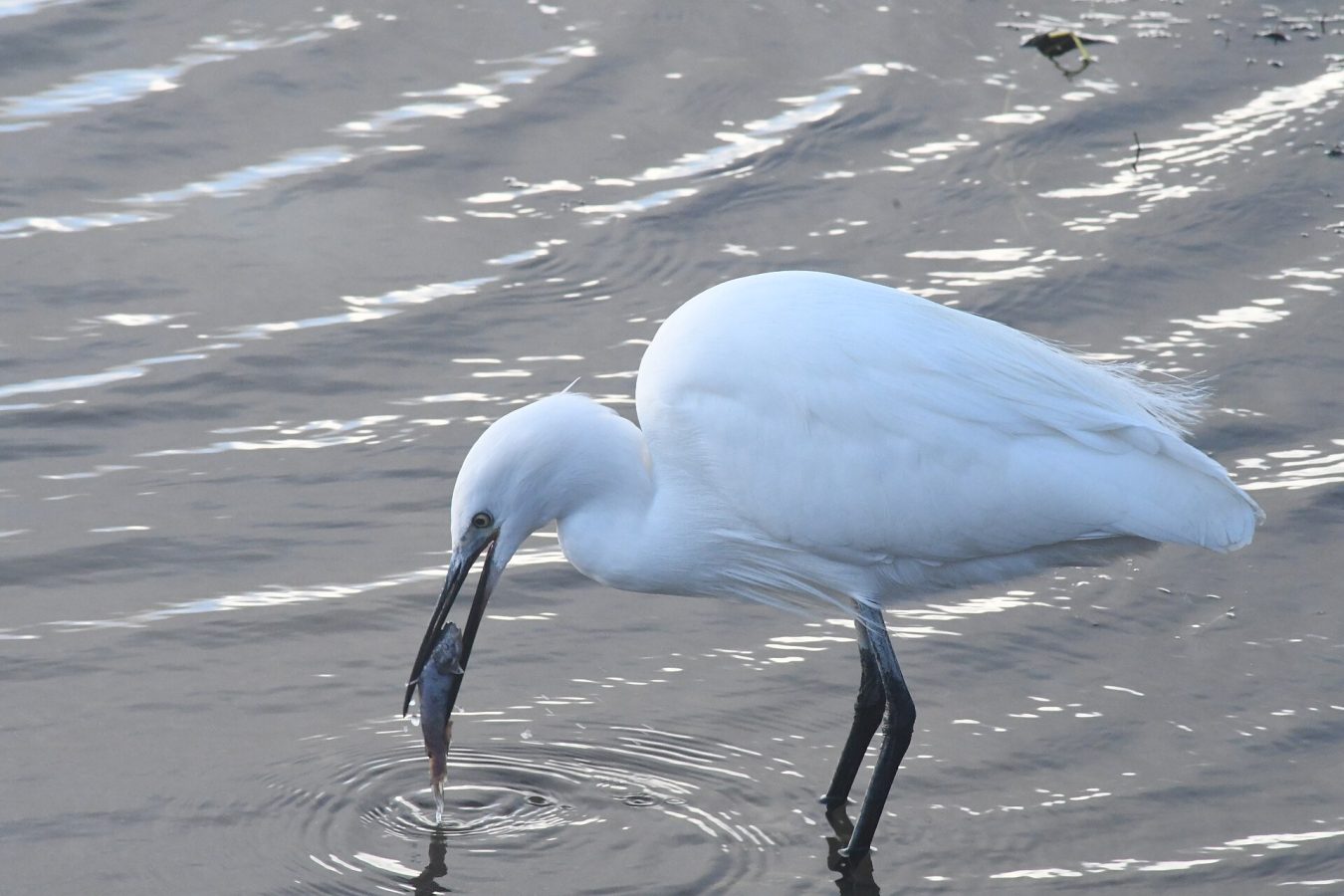
Photo: FrankBanalis, CC BY 4.0
The Tagus estuary is the great inland sea that opens behind Lisbon, where the longest river of the Iberian peninsula spreads out, above the narrow throat by which it reaches the Atlantic, into a basin of shallow water, mudflats, salt marsh and reclaimed farmland, and its upper part, beginning some twenty kilometres north-east of the city, is a nature reserve and the most important wetland in Portugal. Few of Lisbon's visitors suspect its existence, though many cross it on the Vasco da Gama bridge. There are two practical ways to see it. The first is EVOA, a visitor centre for birdwatching opened in 2013 in the middle of the Leziria Grande, the vast, flat island of rice fields and pasture between the arms of the river opposite Vila Franca de Xira. It is reached by car only, in about forty-five minutes from Lisbon, by the motorway to Porto Alto and then by ten or more kilometres of straight unsurfaced farm road across the fields, which is itself good for birds.
Admission is by ticket, best reserved ahead, either for a self-guided visit or with one of the centre's guides, and it is closed on Mondays. From a handsome timber building with an exhibition and a cafe, paths of a few kilometres lead round three freshwater lagoons, created for the purpose, with hides overlooking them, and binoculars can be hired. The second way is by water: small-group birdwatching trips, of two to three hours, in traditional painted Tagus boats or modern launches, leave from Vila Franca de Xira, Alcochete and sometimes Lisbon itself, timed to the tide, to approach the flamingos and waders on the banks. On the southern shore, the old salt pans of Samouco, near Alcochete, have paths and hides, with visits by arrangement, and the riverside at Alcochete is a fine free viewpoint at low tide.
Live dates and prices from GetYourGuide. Free cancellation on most tickets.
The reserve was created in 1976 and covers about 142 square kilometres of the upper estuary, within a larger special protection area of some 450, and was listed under the Ramsar convention in 1980, when Portugal joined it. The estuary as a whole, about 320 square kilometres, is one of the largest in western Europe, and its situation, on the Atlantic coast midway between northern Europe and Africa, with a mild winter and enormous areas of mud exposed twice a day by a tide of up to four metres, makes it one of the principal stations on the East Atlantic flyway. More than 120,000 waterbirds winter here, and many more pass through. The avocet is its emblem: the flocks that winter on the Tagus, of ten thousand and more in good years, amount to a substantial share of the whole western European population. Black-tailed godwits of the Icelandic and continental races gather in the rice fields in late winter in tens of thousands before moving north, and there are great numbers of dunlin, grey plover, redshank, bar-tailed godwit, ringed and Kentish plover, teal, shoveler, wigeon, pintail and greylag geese, the last in their only regular wintering site in the country.
Greater flamingos, which do not breed here, are present all year in flocks of several thousand, mostly young birds from the colonies of Spain and the Camargue, and spoonbills, glossy ibis, which have increased enormously, purple herons, little bitterns, black-winged stilts, collared pratincoles, marsh harriers, black-winged kites, ospreys and, in winter, the occasional Bonelli's eagle and short-eared owl are seen. The land behind the dykes is the Leziria, the alluvial plain drained and embanked since the Middle Ages, a large part of which belongs to the Companhia das Lezirias, founded in 1836, the biggest agricultural and forestry estate in Portugal, now owned by the state: it is the country of the black fighting bull and the Lusitano horse, herded by the campinos, the horsemen in green stocking caps and red waistcoats, who are the heroes of the festivals of Vila Franca de Xira. Rice has been grown here since the eighteenth century and, flooded in winter, serves as an extension of the marsh. The estuary was also for centuries a producer of salt, and of oysters until pollution destroyed them in the 1970s; cleaner water has since brought back fish, and dolphins are again seen off Lisbon. The proposal to build the city's new airport on the shore at Montijo was fought for years by ornithologists and was finally abandoned in favour of a site further inland.
The reserve can be visited all year, and EVOA is open from Tuesday to Sunday, with shorter hours in winter. The best period is from October to March, when the wintering flocks are present, with the peak of numbers from December to February, and the godwits in the rice fields in January and February; April and May, and again August to October, bring the passage migrants, and spring the breeding stilts, pratincoles, herons and the singing of reed warblers.
July and August are hot, shadeless and, for birds, the quietest months, though flamingos remain. The state of the tide decides everything on the mudflats and the boat trips: birds are close on a rising tide and out of sight at low water, so ask when booking. The farm roads of the Leziria are dusty in summer and may be muddy after rain. Bring binoculars, a hat and a windproof. Allow half a day. Vila Franca de Xira is twenty minutes from EVOA, Alcochete and its outlet shopping on the south shore, and Lisbon forty-five minutes.
Yes. GetYourGuide lists 2 tickets and tours for Tagus Estuary Nature Reserve, with live dates and prices and free cancellation on most of them.
Admission is by ticket, best reserved ahead, either for a self-guided visit or with one of the centre's guides, and it is closed on Mondays.
July and August are hot, shadeless and, for birds, the quietest months, though flamingos remain.
Tagus Estuary Nature Reserve covers 142 km².
Tagus Estuary Nature Reserve was established in 1976.
Tagus Estuary Nature Reserve is in Portugal. The map on this page shows the exact spot.
Portugal
Sintra-Cascais Natural Park is the green wedge of hills and Atlantic coast on Lisbon's doorstep, and it contains…
201 tickets & tours
Portugal
Madeira Natural Park covers about two thirds of the island, including nearly everything above the villages, so a visit…
67 tickets & tours
Portugal
Arrábida is the limestone ridge and coast south of Lisbon between Setúbal and Sesimbra, forty minutes from the city,…
37 tickets & tours
Portugal
Serra da Estrela is the highest range in mainland Portugal, in the centre of the country about three hours from Lisbon…
30 tickets & tours
Portugal
Peneda-Gerês is the only national park in Portugal, in the mountains of the far north on the Spanish border, an hour…
24 tickets & tours
Portugal
Ribeira dos Caldeirões is a small, green, landscaped valley with waterfalls and watermills in the parish of Achada, on…
5 tickets & tours