
Ugam-Chatkal National Park
Uzbekistan
Ugam-Chatkal is the mountain country of Uzbekistan, the western end of the Tien Shan, which rises abruptly from the…
2 tickets & tours
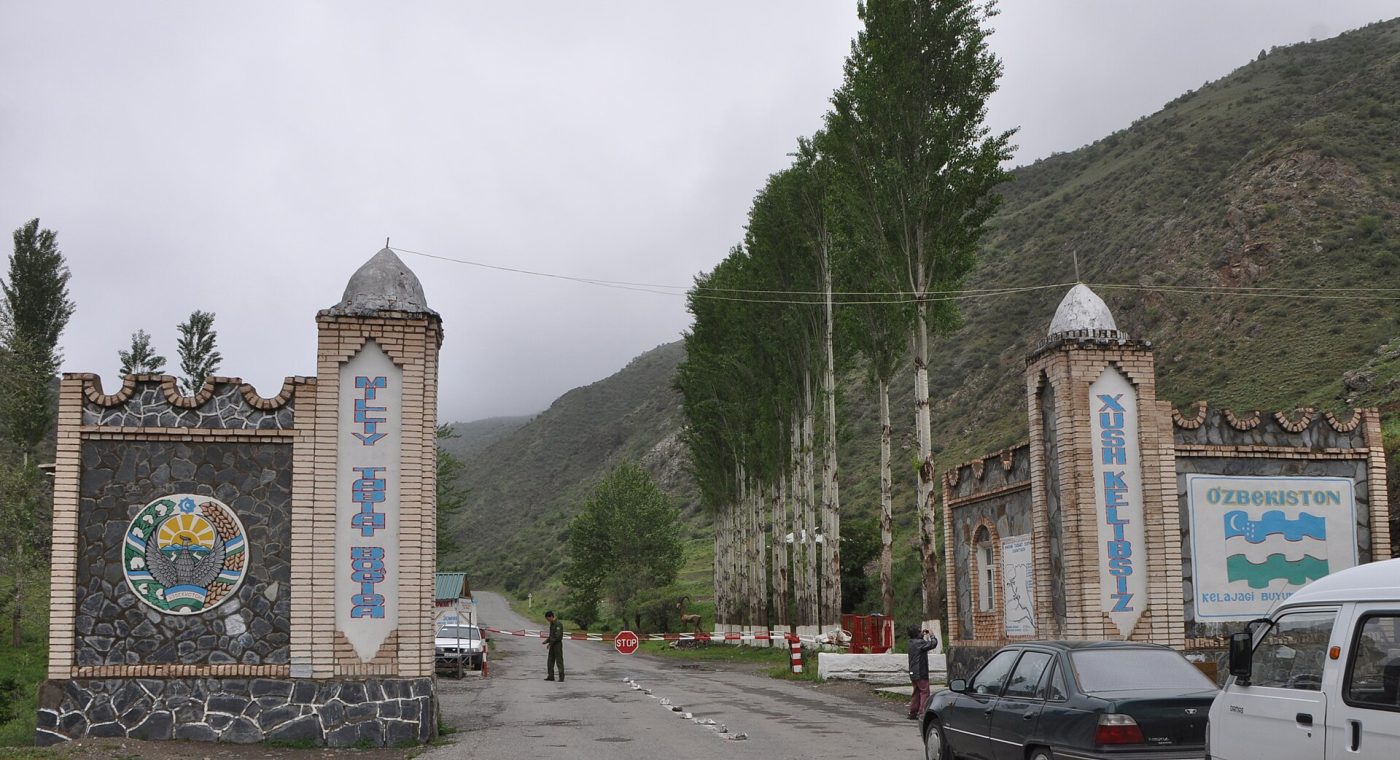
Photo: Yoshi Canopus, CC BY-SA 3.0
Zaamin is a mountain park in the Jizzakh region of eastern Uzbekistan, on the northern slope of the Turkestan range near the border with Tajikistan, and it offers something that visitors to this country of deserts, oases and tiled monuments do not expect: cool air, juniper forest, streams and alpine meadows, which is why Uzbeks call it their Switzerland and drive up in great numbers at summer weekends. It lies about three and a half to four hours by road from Tashkent and three hours from Samarkand, by way of the city of Jizzakh and the small town of Zaamin, and there is no practical public transport into the mountains, so foreign visitors almost always come on a private day trip or a two-day tour with a car, a driver and a guide from one of those two cities.
A day trip means seven hours in the car for four or five hours in the mountains, and a night there, in the old Soviet-era sanatorium, which still offers cures, in one of the newer resort hotels or in a guesthouse, makes much better sense. The itinerary is usually the same: the drive up through the gorge to the resort zone at about 2,000 metres, short walks among the junipers to viewpoints and a waterfall, a look at an ancient juniper and a huge old walnut that are local shrines, a plov or shashlik lunch in a chaikhana by the river, and, since 2022, the new attractions of the Zomin resort area, a glass-floored suspension footbridge across a ravine, a cable car, zip lines and, in winter, a small ski slope. Proper hiking into the high valleys and towards the peaks requires a local guide and, this close to the frontier, the right permissions, which the tour operators arrange.
Live dates and prices from GetYourGuide. Free cancellation on most tickets.
The protected area at Zaamin is the oldest in Uzbekistan: it was created in 1926 as the Guralash reserve, to protect the juniper forests of the upper Guralash river, was abolished and re-established more than once, and now consists of two adjoining parts, a strict state reserve of about 268 square kilometres on the higher ground, closed to visitors, and the Zaamin national nature park of about 240 square kilometres, created in 1976 for recreation, below it; together they are on the country's tentative list for World Heritage. The territory climbs from about 1,700 metres to 4,030 at the peak of Shaukartau, on the crest of the Turkestan range, a western spur of the Pamir-Alay. Its forests are of archa, the Central Asian juniper, three species of it, the Zeravshan, the hemispherical and the Turkestan, which replace one another with altitude and end as a creeping, ground-hugging shrub near the tree line;
they grow very slowly, live for a thousand years and more, scent the air with resin, and once covered far more of these mountains before centuries of cutting for fuel and timber. With them grow maples, barberry, dog rose, honeysuckle, hawthorn, wild almond and pistachio, and above them meadows with tulips, among them Greig's and Kaufmann's, the wild ancestors of many garden varieties, which flower in April and May, along with wild onions, eremurus and edelweiss. The Turkestan lynx, the white-clawed brown bear, wolves, wild boar, the Siberian ibex, porcupines and stone martens live in the reserve, and the snow leopard has been recorded on its heights; the birds include the bearded vulture, the Himalayan griffon, the black vulture, the golden eagle, the chukar, and the black stork. The Sharillak waterfall and the forty-girl rock formations, the Kyrk-Kyz, are the usual goals of short walks. A juniper reckoned at about eight hundred years and a walnut of some seven hundred, the Boboyongoq, hung with votive rags, are visited as holy trees.
The park is open all year. May and June are the best months, with the meadows green, the tulips and then the summer flowers out, and temperatures around 20 to 25 degrees when the plains are already at 35; July and August remain pleasantly cool and are the busiest, above all at weekends and during the Uzbek holidays; September and October are dry, clear and golden;
from December to March there is snow, for sledging and the new ski slope, and the road may need chains. Nights are cold in every season. Carry your passport, since there are checkpoints. Allow a long day, better two. Jizzakh is an hour and a half north, Samarkand three hours west, Tashkent three and a half north-east, and the petroglyphs and the Aydarkul lake lie in the desert to the north-west.
Yes. GetYourGuide lists 4 tickets and tours for Zaamin National Park, with live dates and prices and free cancellation on most of them.
The park is open all year.
Allow a long day, better two.
Zaamin National Park covers 240 km².
Zaamin National Park was established in 1926.
Zaamin National Park is in Uzbekistan. The map on this page shows the exact spot.
Uzbekistan
Ugam-Chatkal is the mountain country of Uzbekistan, the western end of the Tien Shan, which rises abruptly from the…
2 tickets & tours