Queen Elizabeth National Park
Uganda
Queen Elizabeth is Uganda's most visited savanna park, six to seven hours by road from Kampala or Entebbe, and it…
37 tickets & tours
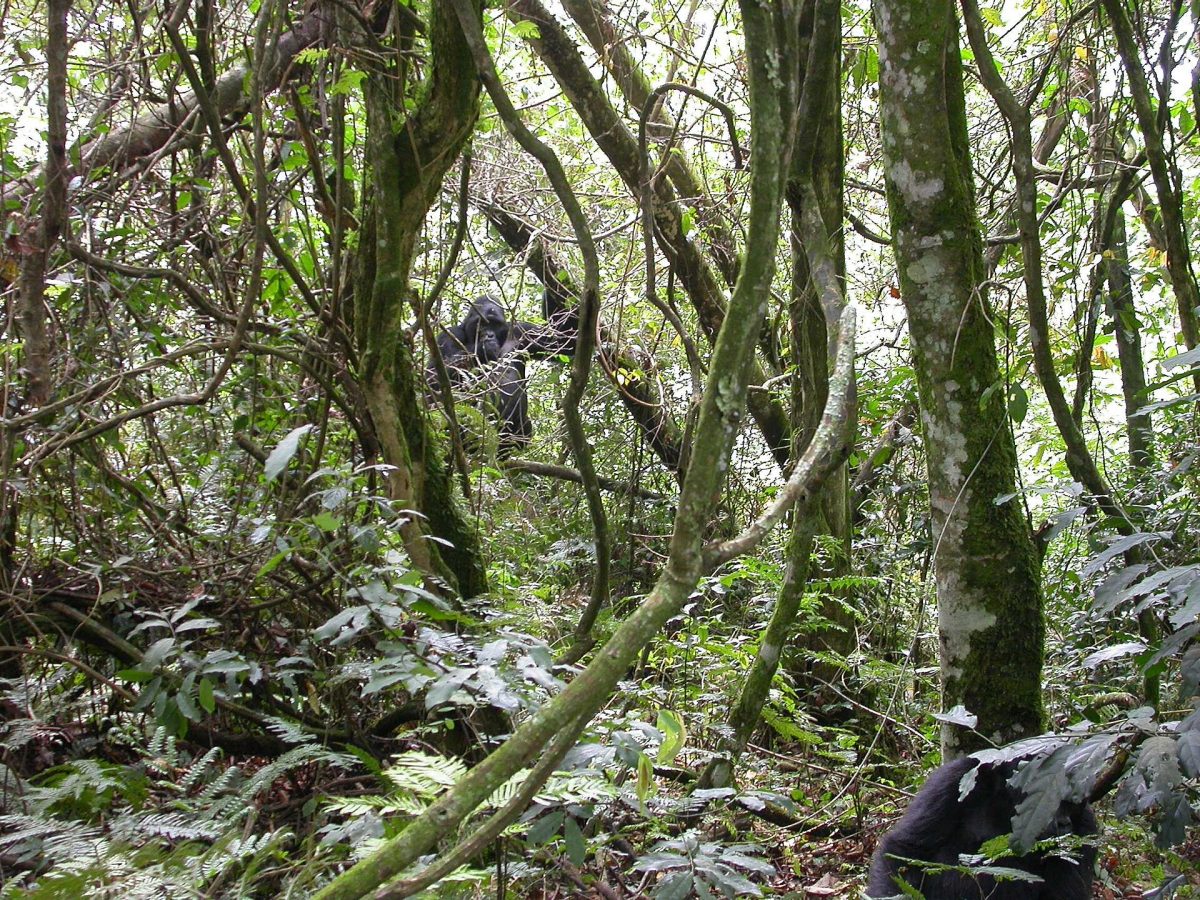
Photo: CC BY-SA 3.0
Bwindi holds about half of the world's mountain gorillas, in the far south-west of Uganda, eight to ten hours by road from Kampala or Entebbe and, which many visitors do not realise, only four to five from Kigali in Rwanda across the Cyanika or Katuna border. Everything turns on the gorilla permit, sold by the Uganda Wildlife Authority for 800 US dollars to foreign non-residents, a little over half the price of Rwanda's, which is the reason so many gorilla trips sold from Kigali cross into Uganda. A permit is for one named day and one of the four trailheads, which are hours apart by road: Buhoma in the north, the oldest, with the most lodges; Ruhija in the east, high and cool; and Rushaga and Nkuringo in the south, nearest to Kigali and to Lake Bunyonyi, so the lodging must match the permit.
The tours of two to four days include the permit, transport in a 4×4, a driver-guide and lodges; the one-day treks start from Lake Bunyonyi, Kabale or Kisoro. On the day, trekkers gather at 7.30 for a briefing, are assigned in groups of eight to a habituated family, and walk with rangers and trackers for anything from half an hour to six hours, on steep, trackless, muddy slopes, to spend one hour with the gorillas. The habituation experience in Rushaga, 1,500 dollars, allows four hours with a family still being accustomed to people. Hire a porter. The minimum age is fifteen, and permits for June to September and December to February sell out months ahead. Scheduled light aircraft fly from Entebbe to Kihihi and Kisoro.
Live dates and prices from GetYourGuide. Free cancellation on most tickets.
The forest was a reserve from 1932 and was made a national park in 1991 and a World Heritage Site in 1994; it covers 321 square kilometres of steep ridges and narrow valleys on the edge of the Albertine Rift, from 1,160 to 2,607 metres, against the Congolese border, an island of rainforest in one of the most densely farmed landscapes in Africa, where terraced fields end abruptly at the wall of trees. It is one of the few large forests in East Africa where lowland and montane forest meet, it is thought to have survived the dry periods of the ice ages as a refuge, and it is accordingly one of the richest on the continent: more than 160 tree species and 100 ferns, 120 mammals, 350 birds, twenty-three of them endemic to the Albertine Rift, including the African green broadbill, and over 200 butterflies. The name means a dark place in the Rukiga language, and the undergrowth of vines, nettles and bamboo explains the English word.
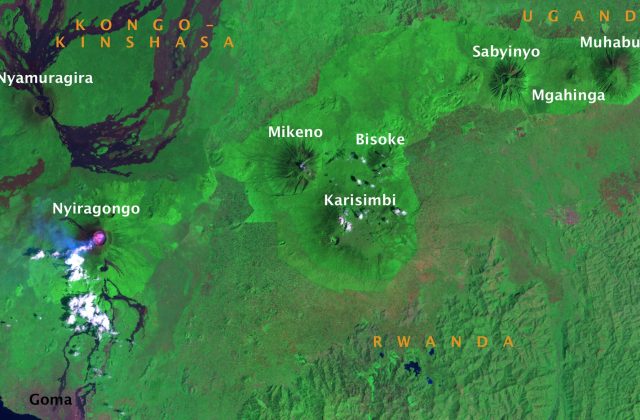
The 2018 census counted 459 mountain gorillas in Bwindi and the adjoining Sarambwe reserve, out of 1,063 in the world, the rest living in the Virunga volcanoes thirty kilometres to the south; more than twenty families are habituated to visitors. An hour with them, a silverback of 200 kilograms chewing stems a few metres away and ignoring everyone, infants tumbling, is what people come for, and the money from the permits, a fifth of the park fees going to the surrounding parishes, is why the population grows. Chimpanzees, which here share a forest with gorillas, L'Hoest's, blue and red-tailed monkeys, black-and-white colobus, forest elephants and duikers are present and seldom seen. The Batwa, the forest's original hunter-gatherers, were evicted without compensation when the park was created, and their guided forest walks at Buhoma are both their livelihood and their memorial.
Gorilla treks leave every morning of the year. The drier months, June to August and December to February, have the firmest trails and the highest demand; the rains, from March to May and September to November, make the slopes slippery and the mist thick, but the gorillas often feed lower down so that treks are shorter, permits are easier to find, and lodges discount.
It can rain in any month, and at 2,000 metres the mornings are cold. Bring gaiters, gardening gloves for the nettles, a rain jacket and a walking stick. Allow three days from Kampala or two from Kigali, plus the trek. Lake Bunyonyi is an hour or two from the southern trailheads, Queen Elizabeth's Ishasha sector two hours north of Buhoma, and Mgahinga's golden monkeys and volcanoes are near Kisoro.
Yes. GetYourGuide lists 8 tickets and tours for Bwindi Impenetrable National Park, with live dates and prices and free cancellation on most of them.
Allow three days from Kampala or two from Kigali, plus the trek.
Bwindi Impenetrable National Park covers 321 km².
Bwindi Impenetrable National Park was established in 1991.
Bwindi Impenetrable National Park is in Uganda. The map on this page shows the exact spot.
Uganda
Queen Elizabeth is Uganda's most visited savanna park, six to seven hours by road from Kampala or Entebbe, and it…
37 tickets & tours
Uganda
Murchison Falls is Uganda's largest park and the one closest to Kampala for a proper savanna safari, about five…
35 tickets & tours
Uganda
Lake Mburo is the small savanna park on the Kampala–Mbarara road, about four hours from the capital, and its position…
31 tickets & tours
Uganda
Kibale is the chimpanzee forest of western Uganda, five hours from Kampala or Entebbe and forty minutes from Fort…
15 tickets & tours
Uganda
The Rwenzori are the snow-capped Mountains of the Moon on Uganda's border with Congo, above the town of Kasese,…
8 tickets & tours
Uganda
Mgahinga is Uganda's smallest national park, in the extreme south-western corner of the country above the town of…
5 tickets & tours