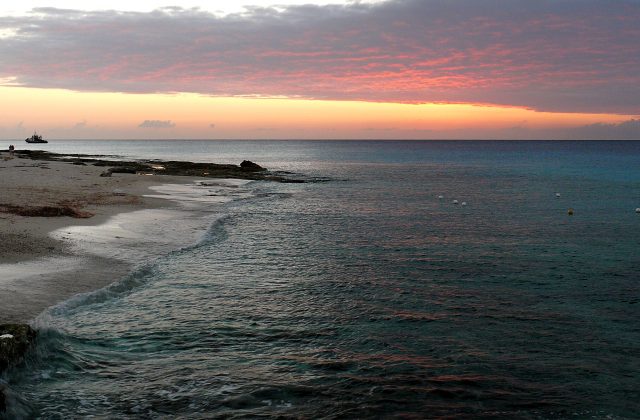
Arrecifes de Cozumel National Park
Mexico
The reefs of Cozumel, off the Caribbean coast of the Yucatan peninsula of Mexico, are among the most celebrated diving…
75 tickets & tours
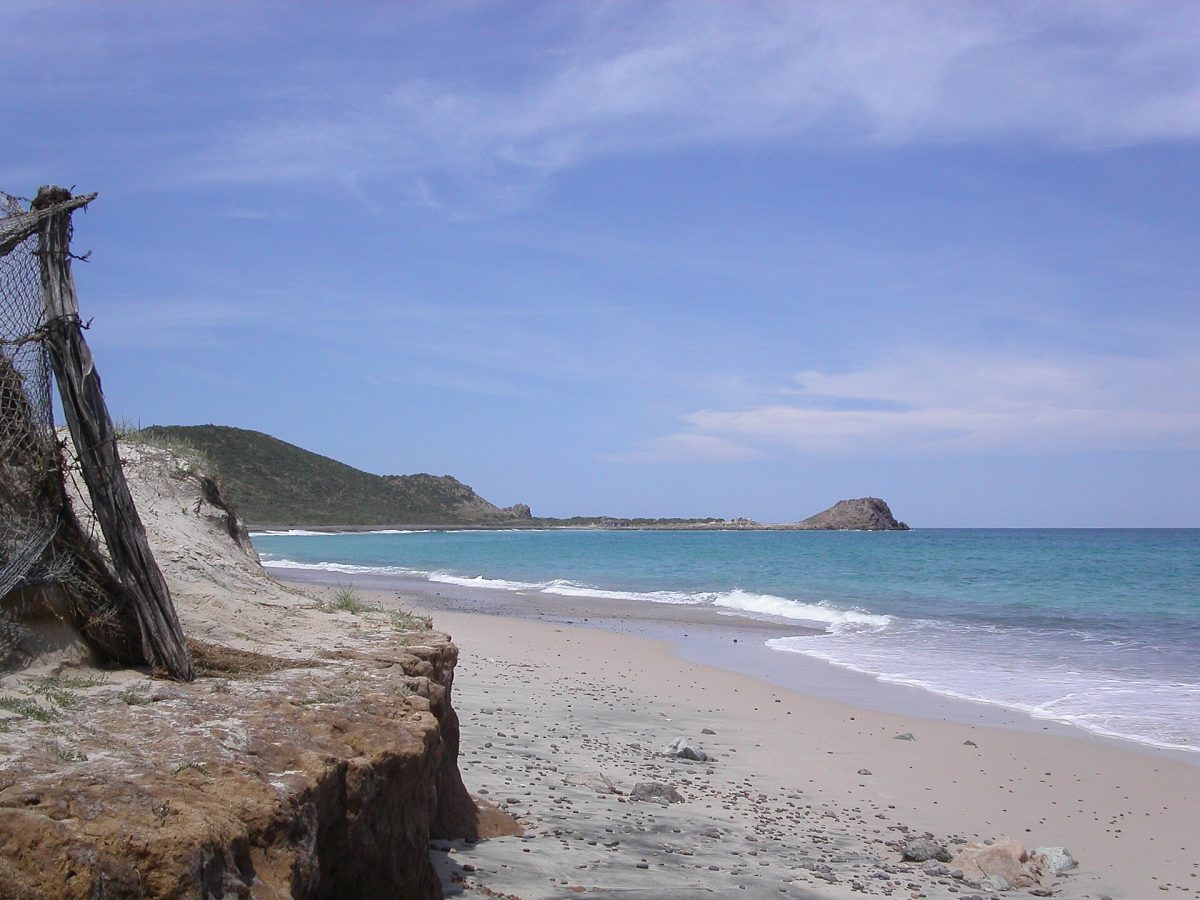
Photo: John Markos O'Neill from San Francisco, California, CC BY-SA 2.0
Cabo Pulmo is a village of a few hundred people on the East Cape of Baja California Sur, on the Gulf of California, about a hundred kilometres and two hours from San José del Cabo and two and a half from Cabo San Lucas, the last ten kilometres on a washboard dirt road that an ordinary rental car manages slowly. Everything there is about the water, and all of it goes through the village's handful of licensed operators, since only local boats may work inside the park, the number of visitors per site and per day is capped, and even snorkellers must be accompanied by a local guide. The day tours sold in Los Cabos bundle the long transfer, a boat, the guide, equipment, the park's wristband fee and lunch, for snorkelling or for two-tank diving;
the self-drive versions sell the same boat without the transfer, which is cheaper and lets you arrive for the early, calmer departures, and jeep tours make an adventure of the dirt road. A snorkelling trip visits three or four sites in two to three hours: a reef, the great school of jacks if it can be found, and the sea lion colony at the rocks of Los Frailes. Divers are taken to the reef's deeper fingers, to a wreck where bull sharks gather in the cooler months, and to the jacks. Wetsuits are needed for much of the year. The village runs on solar power, with a few small restaurants and cabins, no bank and no fuel, and staying a night or two is much the best way to dive it.
Live dates and prices from GetYourGuide. Free cancellation on most tickets.
The park was decreed in 1995, covering 71 square kilometres of sea between Punta Pulmo and Cabo Los Frailes, and is part of the Gulf of California World Heritage listing of 2005 and a Ramsar site; it protects the northernmost coral reef in the eastern Pacific and one of only three on the west coast of North America, a series of basalt ridges running parallel to the shore in progressively deeper water, colonised by eleven species of hard coral over some twenty thousand years. Its fame is its history. By the early 1990s the families of Cabo Pulmo, fishermen descended from pearl divers, the Castros above all, saw that their reef was fished out, and with scientists from the university in La Paz they asked the government to close it, gave up fishing and turned to taking visitors diving.
A survey published in 2011 by the Scripps Institution found that in the ten years after 1999 the total mass of fish had increased by more than 460 per cent, the greatest recovery ever measured in a marine reserve, with the top predators, sharks, groupers and jacks, increasing most; Cabo Pulmo has been the textbook case for no-take reserves ever since. What divers see is a reef with the abundance of another century: a school of bigeye jacks so dense that it blocks the light and turns around a diver like a tornado, gulf groupers, snappers in clouds, moray eels, turtles, mobula rays that leap from the water in spring, bull sharks, occasional tiger sharks, whale sharks in season, and humpback whales passing in winter, whose song is heard underwater. In 2012 the Mexican president cancelled a resort of thirty thousand rooms planned beside the park, after a national campaign, and later proposals have met the same resistance. The desert behind, of cardón cactus and empty beaches, is as fine as the sea.
The boats go out daily in the morning, wind permitting. The water is warmest, 27 to 29 degrees, and clearest, with thirty metres of visibility, from August to November, which is also hurricane season, September above all; from December to March it falls to 19 or 20 degrees, the north wind often blows hard in the afternoons and closes the port, and the compensation is the whales and the bull sharks;
spring brings the mobula rays and plankton that lowers visibility. Book the boat ahead at weekends and holidays, bring cash, and fill the tank in La Ribera or San José. Allow a full day from Los Cabos, better two nights in the village. Los Barriles, the windsurfers' town, is an hour north, La Paz and the island of Espíritu Santo three hours, and the hot springs of Santiago are inland on the way.
Yes. GetYourGuide lists 8 tickets and tours for Cabo Pulmo National Park, with live dates and prices and free cancellation on most of them.
Everything there is about the water, and all of it goes through the village's handful of licensed operators, since only local boats may work inside the park, the number of visitors per site and per day is capped, and even snorkellers must be accompanied by a local guide.
Allow a full day from Los Cabos, better two nights in the village.
Cabo Pulmo National Park covers 71.1 km².
Cabo Pulmo National Park was established in 1995.
Cabo Pulmo National Park is in Mexico. The map on this page shows the exact spot.
Mexico
The reefs of Cozumel, off the Caribbean coast of the Yucatan peninsula of Mexico, are among the most celebrated diving…
75 tickets & tours
Mexico
Puerto Morelos is the fishing village between Cancún and Playa del Carmen whose reef, part of the Mesoamerican barrier…
45 tickets & tours
Mexico
Ría Lagartos is the flamingo lagoon on the northern tip of Yucatán, two hours from Valladolid and three from Cancún or…
28 tickets & tours
Mexico
Los Arcos are the granite islets with the arches off Mismaloya, twelve kilometres south of Puerto Vallarta, and the…
16 tickets & tours
Mexico
Iztaccihuatl and Popocatepetl, the second and third highest mountains of Mexico, stand side by side on the eastern rim…
6 tickets & tours
Mexico
The monarch butterflies of eastern North America spend the winter in a few patches of high fir forest on the border of…
6 tickets & tours


