
Comoe National Park
Ivory Coast
Comoe, in the north-east of Ivory Coast, is the largest protected area in West Africa, a vast, remote and very little…
No online ticket
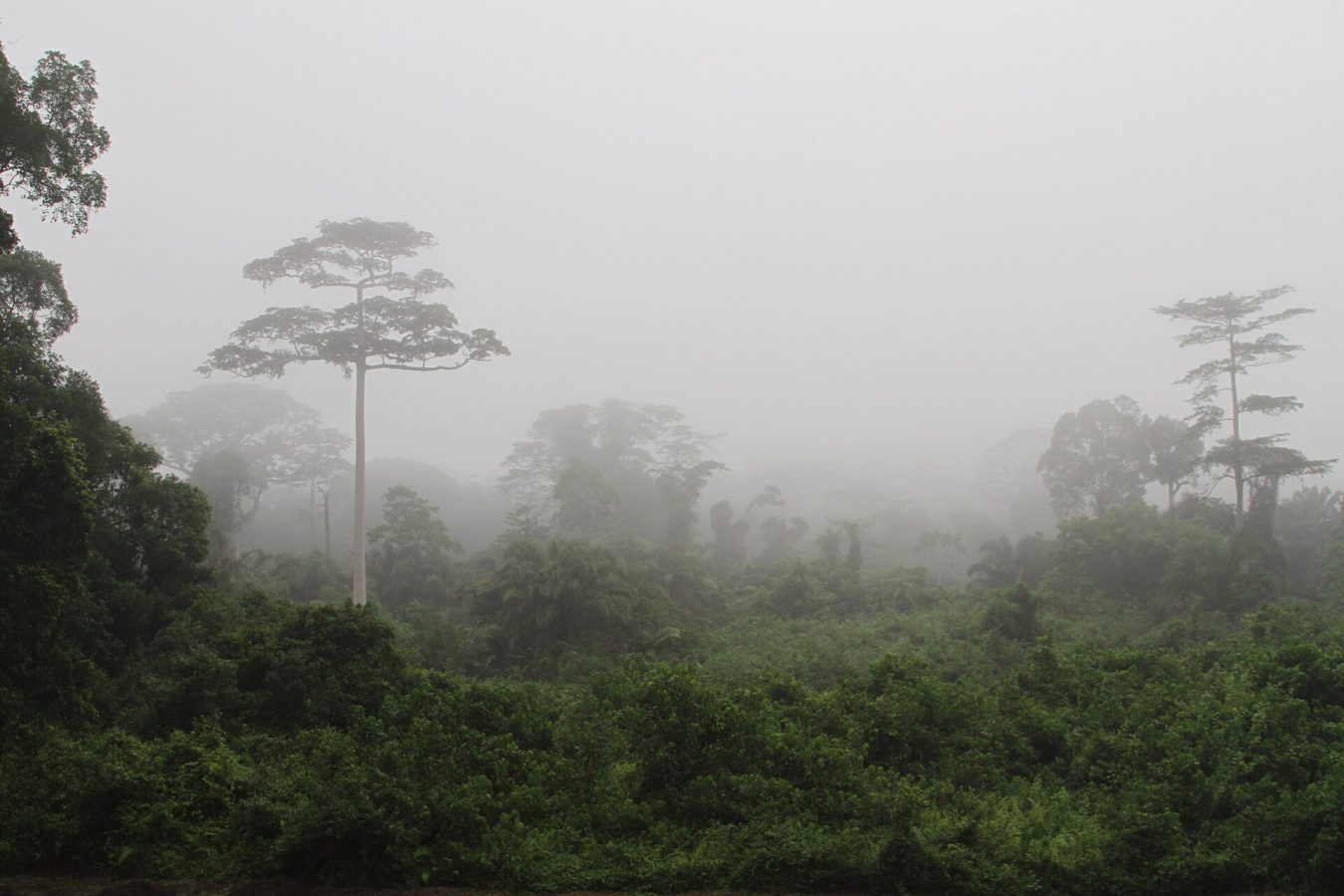
Photo: yakovlev.alexey from Moscow, Russia, CC BY-SA 2.0
Taï is the last great block of primary rainforest in West Africa, in the far south-west of Ivory Coast on the Liberian border, a long day's drive from Abidjan, and almost nothing is sold for it on the international platforms; the hot-spring parks of Da Nang and the Chinese mountains that share its name fill the search results and have nothing to do with it. The park is visited through its own ecotourism programme, run with the Wild Chimpanzee Foundation and the park authority from the village of Djouroutou on the southern edge and from Taï town on the western edge, which arranges the guides, the trackers, the camps and the permits; the visits are booked by email or through the Abidjan tour operators who handle the transport, which is the hard part, on roads that need a 4×4 in the rains.
The chimpanzee tracking with the researchers' habituated community, a day in the forest with the trackers from the camp at dawn, is the park's product and its reason; the forest walks to Mont Niénokoué, the granite inselberg above the canopy, the pygmy hippopotamus watch at the rivers by night and the canoe trips are the rest, over stays of two or three nights in the ecolodges at Djouroutou and the forest camps. The park fees are per person per day with the guide fees added, and the ecotourism programme quotes packages. Independent travel is possible with patience, a 4×4 and French; the Abidjan operators make it simpler, and the park's remoteness is the point.
The park was created in 1972 from a forest reserve of 1926 and covers about 3,300 square kilometres, with a buffer zone and the N'Zo reserve on its northern edge, between the Sassandra and Cavally rivers in the south-west of Ivory Coast, a biosphere reserve since 1978 and a World Heritage Site since 1982 as the largest surviving piece of the Upper Guinean rainforest, which once covered the coast from Guinea to Togo and has been cut to fragments by the plantations. The forest is evergreen and tall, with trees of fifty metres on a granite plain broken by inselbergs, of which Mont Niénokoué at 396 metres is the summit and the viewpoint over an unbroken canopy to Liberia, and it is one of the most studied forests in Africa: the chimpanzees of Taï, followed by the Swiss primatologists since 1979, are the community that taught the world that chimpanzees crack nuts with stone hammers and hunt colobus monkeys in coordinated groups, and the tracking with the researchers' teams finds them at the nut-cracking sites in the season.
The park holds eleven primates, with the red, the olive and the black-and-white colobus, the sooty mangabey and the Diana monkey among them, the pygmy hippopotamus, the forest elephants that survived the poaching, the leopard, the bongo, the zebra duiker and Jentink's duiker, found almost nowhere else, and 250 bird species with the white-breasted guineafowl and the rufous fishing owl; the Ebola virus lives in its bats and the forest is watched for it. The rivers of the Hana and the Meno cross it to the Cavally, wide in the rains and streams in the dry season, and the villages of the Guéré and the Oubi people around its edge grow cocoa up to the boundary, which is the forest's threat. It is a place for the committed, and it rewards them with the rarest forest in West Africa.
The park is open all year through its ecotourism programme, with the visits arranged in advance and the camps staffed in season. The dry season from November to March is the time to visit, with the roads passable, the rivers low and the chimpanzees at the nut-cracking sites from November to February;
the rains from April to October are heavy, with the tracks turning to mud, the rivers in flood and the forest at its wettest, though the animals are the same. The chimpanzee tracking starts at dawn from the camp. Allow three nights at the least, with a day each way from Abidjan or San-Pédro. San-Pédro on the coast is the nearest town with an airport, Abidjan is eight hours by road, and the park's isolation is the reason to go.
No online tour for Taï National Park is listed on GetYourGuide; entry, where it is charged, is paid at the gate or through the park authority. Nearby parks with bookable tours are listed on this page.
The park fees are per person per day with the guide fees added, and the ecotourism programme quotes packages.
The park is open all year through its ecotourism programme, with the visits arranged in advance and the camps staffed in season.
Allow three nights at the least, with a day each way from Abidjan or San-Pédro.
Taï National Park covers 3 300 km².
Taï National Park was established in 1972.
Taï National Park is in Ivory Coast. The map on this page shows the exact spot.
Ivory Coast
Comoe, in the north-east of Ivory Coast, is the largest protected area in West Africa, a vast, remote and very little…
No online ticket