Minneriya National Park
Sri Lanka
Minneriya is the park of the elephant gathering, the largest seasonal concentration of Asian elephants in the world,…
127 tickets & tours
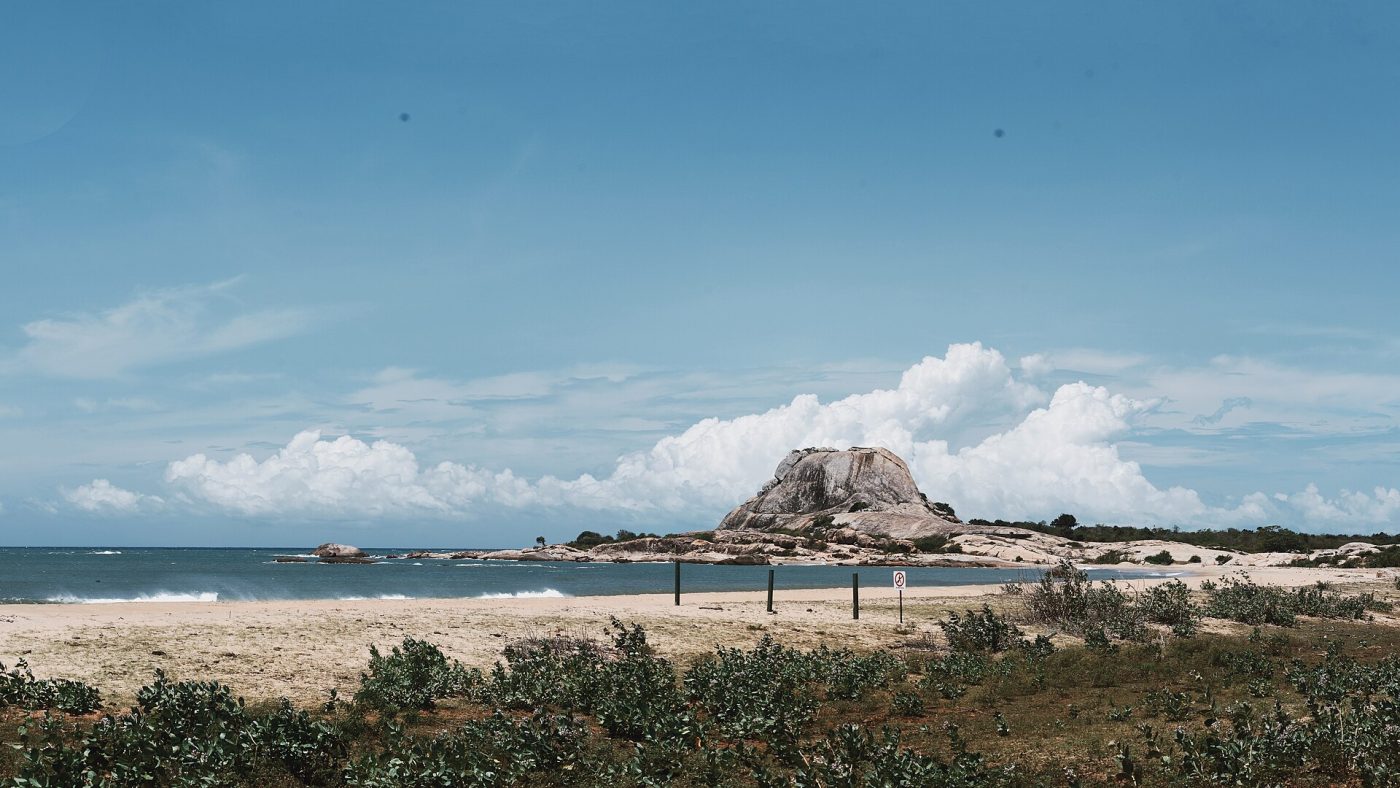
Photo: Ranmith Welikala, CC BY-SA 4.0
Yala is Sri Lanka's most visited national park and the place with the best odds of seeing a wild leopard anywhere in Asia, so almost every tour sold for it is a jeep safari. The park sits on the south-east coast, about six hours' drive from Colombo and two from the hill town of Ella, and nearly all safaris start from Tissamaharama or Kataragama, the two small towns just outside the gates. The choice comes down to three things: which block, what time of day and how long. Block 1, entered from the Palatupana gate, has the highest leopard density and the heaviest traffic; Block 5, entered from Galge, is quieter and cheaper.
Half-day safaris run either at dawn or in the late afternoon and last about four hours; full-day safaris stay inside from dawn to dusk with a packed lunch, which is the only realistic way to get away from the queue of jeeps at Block 1. Prices for a private jeep with driver-tracker start from roughly the cost of a mid-range hotel night and are usually quoted per vehicle for up to six people, with the park entrance fee, paid in dollars for foreigners, on top. Two-day packages from Ella add a night in a tented camp on the park edge. Book a morning slot a day or two ahead in the peak months of December to March, when the gate limits the number of jeeps.
Live dates and prices from GetYourGuide. Free cancellation on most tickets.
Yala covers 979 square kilometres of dry monsoon forest, scrub, grassland, lagoons and a wild stretch of Indian Ocean coast, and the variety is what makes a single game drive so productive. The animals most visitors come for are the leopards, which lie on rock outcrops in the morning sun and walk the tracks in the late afternoon; sightings are common but never guaranteed, and a good tracker reads the alarm calls of langurs and spotted deer to find them. Elephants are easier, especially around the water holes and the tanks, the ancient reservoirs that dot the park, and sloth bears turn up in June and July when the palu trees fruit.
Crocodiles line the lagoons, water buffalo wallow in the mud, and the birdlife is extraordinary: painted storks, spoonbills, peacocks displaying on the roads and, in winter, migrant flamingos. The landscape has its own drama, with granite boulders the size of houses rising out of the scrub and the ruins of Sithulpahuwa, a rock monastery visited by Buddhist pilgrims, inside the park. Along the coast the jeeps stop at the beach where the 2004 tsunami swept away a lodge; a memorial marks the spot. Expect a bumpy ride on rough tracks, close encounters with other jeeps at every leopard sighting in Block 1, and a rule that you stay in the vehicle everywhere except the marked rest stops.
The park is open from 6 am to 6 pm, and morning drives leave the gate at first light. The best season is the dry period from February to June, when the water holes shrink and animals gather in the open; February and March are the peak months for leopards. Yala usually closes for several weeks in September and October for the drought, and the north-east monsoon brings rain from November to January, which greens the park but hides the animals.
Weekends and Sri Lankan holidays fill the tracks with local visitors. Allow a full day if you can, or a dawn drive followed by breakfast in Tissamaharama; two drives on consecutive days roughly double your chance of a leopard. Take a hat, water and a long lens, and expect dust. The Kataragama temple complex, a pilgrimage site sacred to Buddhists, Hindus and Muslims, is a short drive from the park and worth an evening visit for the puja.
Yes. GetYourGuide lists 314 tickets and tours for Yala National Park, with live dates and prices and free cancellation on most of them.
Prices for a private jeep with driver-tracker start from roughly the cost of a mid-range hotel night and are usually quoted per vehicle for up to six people, with the park entrance fee, paid in dollars for foreigners, on top.
The park is open from 6 am to 6 pm, and morning drives leave the gate at first light.
Allow a full day if you can, or a dawn drive followed by breakfast in Tissamaharama; two drives on consecutive days roughly double your chance of a leopard.
The best season is the dry period from February to June, when the water holes shrink and animals gather in the open; February and March are the peak months for leopards.
Yala National Park covers 979 km².
Yala National Park was established in 1937.
Yala National Park is in Sri Lanka. The map on this page shows the exact spot.
Sri Lanka
Minneriya is the park of the elephant gathering, the largest seasonal concentration of Asian elephants in the world,…
127 tickets & tours
Sri Lanka
Wilpattu is Sri Lanka's largest and oldest national park and the quieter counterpart to Yala, on the north-west…
54 tickets & tours
Sri Lanka
Udawalawe is Sri Lanka's elephant park, four hours from Colombo and two from the south-coast beaches, and it is…
36 tickets & tours
Sri Lanka
Kaudulla is the elephant park in Sri Lanka's cultural triangle, half an hour from Habarana and Sigiriya and an…
33 tickets & tours
Sri Lanka
Bundala is the wetland park on the south coast of Sri Lanka near Hambantota, half an hour from Tissamaharama and the…
23 tickets & tours
Sri Lanka
Kumana is the eastern half of the Yala system, the park on the south-east coast of Sri Lanka reached from Arugam Bay,…
20 tickets & tours