Isalo National Park
Madagascar
Isalo is the most visited national park in Madagascar, a massif of eroded sandstone rising out of the grasslands of the…
2 tickets & tours
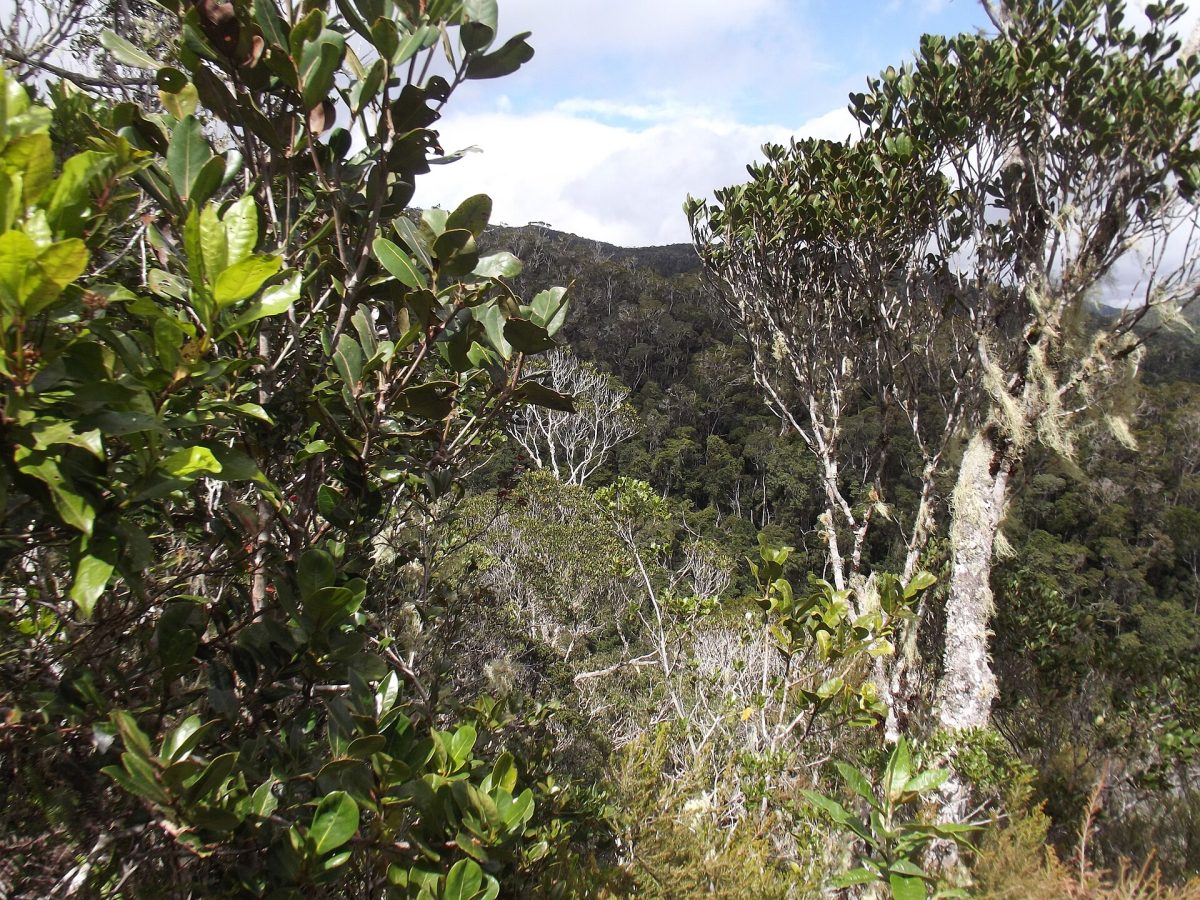
Photo: Smiley.toerist, CC BY-SA 4.0
Andasibe-Mantadia is the most visited rainforest in Madagascar, for a simple reason: it lies on the main road from the capital to the east coast, about 140 kilometres and three to four hours from Antananarivo, on the country's best, which is to say still slow and lorry-choked, highway, so that it can be fitted into any itinerary, and for visitors with only a few days in the country it is the one place where lemurs in the wild are close to certain. It can be done as a very long day trip from the capital, but two nights in one of the lodges around the village of Andasibe is the proper way, allowing a morning walk, an afternoon and a night walk. The park has two distinct parts. The Analamazaotra special reserve, often still called Périnet, the old French name of the railway station, begins a kilometre from the village, is small, fairly level and heavily visited, and is where the indri are habituated;
circuits of two to four hours are walked in the early morning. Mantadia, the much larger and wilder northern section, is about an hour and a half away up a very bad track, for which a 4×4 is needed, and offers longer, steeper trails in primary forest, more species and far fewer people, a full day. A local guide from the official association is compulsory for every visit and is hired at the park office with the entrance permit, both at fixed rates. Night walks are not allowed inside the national park and take place along the road or in the adjoining community reserves of Mitsinjo and the VOIMMA, which are well run and worth a visit themselves. The private Vakona reserve has its lemur island.
Live dates and prices from GetYourGuide. Free cancellation on most tickets.
The Analamazaotra reserve was set aside in 1970 and the Mantadia national park in 1989, and the two are now managed together as one park of about 155 square kilometres of montane rainforest on the eastern escarpment of Madagascar, between about 800 and 1,260 metres, where it rains on some two hundred and ten days of the year; the forests between and around them are gone, cleared for charcoal, eucalyptus and slash-and-burn rice fields, and a good part of conservation work here consists of planting corridors to reconnect the fragments. The park's fame is the indri, the largest of all living lemurs, a black-and-white animal the size of a small child, with a teddy-bear face, round ears, green eyes and almost no tail, which clings upright to the trunks and hurls itself from tree to tree, clearing ten metres at a leap. It has never survived in captivity, so that it can be seen only in forests like this one, and it is known above all for its voice: each family group proclaims its territory, generally between about seven and eleven in the morning, with a chorus of long, wailing, rising and falling cries, something between a whale's song and a siren, that carries for two or three kilometres and is answered from ridge to ridge, one of the most memorable sounds in nature.
The Malagasy call it babakoto, and legends forbid hunting it. Eleven or more other lemur species live in the park: the diademed sifaka, golden, grey and white, perhaps the handsomest of all lemurs, and the black-and-white ruffed lemur, both more readily seen in Mantadia, the common brown lemur, the grey bamboo lemur, the eastern woolly lemur asleep in a tree fork, and at night Goodman's mouse lemur, dwarf lemurs and sportive lemurs. The Parson's chameleon, among the largest in the world, the tiny nose-horned chameleons, leaf-tailed geckos that vanish against bark, the tomato frog and scores of other frogs, the giraffe-necked weevil, tenrecs, and more than a hundred birds, including ground-rollers, vangas and the blue coua, together with orchids, tree ferns and pandanus, fill out a forest of extraordinary endemism.
The park office opens at about 6 am, and visits should start by seven to hear the indri. It is wet for most of the year: the driest and coolest months are from May to September or October, when nights can fall to ten degrees and some reptiles and the dwarf lemurs are dormant; September to December is warmer, with the lemurs' young being carried, birds breeding and orchids in flower, and is the best time overall;
January to March is the cyclone season, with very heavy rain, leeches and occasional road closures. Bring a waterproof, long trousers tucked into socks, and a torch for the night walk. Allow two nights. Antananarivo is three to four hours west, the Pangalanes canal and the east coast at Manambato two to three hours further east, and the Peyrieras reptile farm on the road.
Yes. GetYourGuide lists 3 tickets and tours for Andasibe-Mantadia National Park, with live dates and prices and free cancellation on most of them.
The park office opens at about 6 am, and visits should start by seven to hear the indri.
Andasibe-Mantadia National Park covers 154 km².
Andasibe-Mantadia National Park was established in 1989.
Andasibe-Mantadia National Park is in Madagascar. The map on this page shows the exact spot.
Madagascar
Isalo is the most visited national park in Madagascar, a massif of eroded sandstone rising out of the grasslands of the…
2 tickets & tours
Madagascar
Marojejy is a steep, wild massif clothed in rainforest in the north-east of Madagascar, in the Sava region, the vanilla…
2 tickets & tours
Madagascar
Ranomafana is a park of steep, misty mountain rainforest in the south-east of Madagascar, on the edge of the central…
No online ticket