Riisitunturi National Park
Finland
Riisitunturi is the fell park of the candle spruces in Finnish Lapland, an hour and a half south-east of Rovaniemi near…
17 tickets & tours
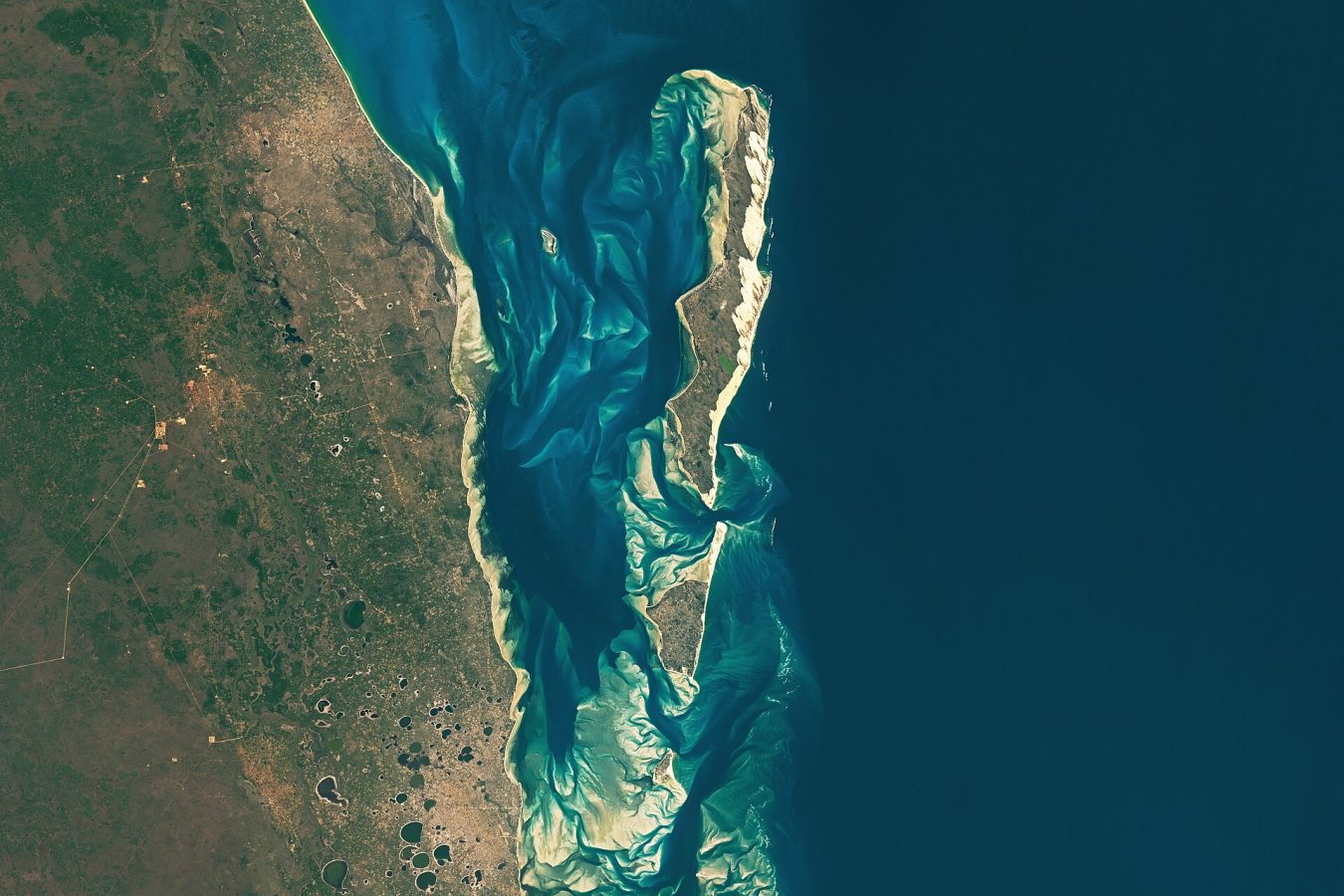
The Archipelago National Park lies in the outer skerries of the Archipelago Sea off south-west Finland, south of the big inhabited islands of Pargas, Nagu, Korpo and Houtskär, two to three hours from Turku by road, free cable ferries and then boat, and it has nothing to do with the Stockholm archipelago hikes or the Amazon river archipelago tours that appear beside its name. It is a park of water: there is no gate and no fee, and nobody reaches it without a boat. The guided sea-kayaking tours from Turku, Pargas, Nagu and Korpo are the classic way, as day trips in the sheltered inner waters or as journeys of three to six days with camping on the park's designated islands, the long midsummer evenings making up for cold water;
kayaks can also be rented by experienced paddlers, who need a chart, since the skerries all look alike. Without paddling, the state-supported connecting boats, the förbindelsebåtar that serve the inhabited outer islands from Pärnäs in Nagu, Kasnäs in Kimitoön and Korpo, carry passengers free or for a few euros to Berghamn, Nötö, Jurmo, Utö and Örö, where there are harbours, guesthouses, shops in summer and marked nature trails; taxi boats and the summer excursion boats from Kasnäs fill the gaps. Sailing yachts use the park's excursion harbours freely. The Blåmusslan visitor centre at Kasnäs, beside a spa hotel, explains the sea and is the best starting point, and the Archipelago Trail, a 250-kilometre ring road by bicycle, bridge and ferry from Turku, touches the park's northern edge.
Live dates and prices from GetYourGuide. Free cancellation on most tickets.
The park was established in 1983 and covers about 500 square kilometres of sea with some 2,000 of the 8,400 islands, islets and skerries in its cooperation area, nearly all of them smaller than a square kilometre; the larger islands remain the property of the people who live on them, and the whole is the core of a UNESCO biosphere reserve. The Archipelago Sea, between the Finnish mainland and Åland, has more islands than any other archipelago in the world, some forty thousand, of red and grey granite ground smooth by the ice sheet and still rising from the sea at about four millimetres a year, so that new skerries appear and bays turn to meadows within a few generations. The water is brackish, a quarter as salty as the ocean, and shallow. The inner islands carry pine and spruce; the outer ones are bare rock with juniper, heather and pools;
and between them lies the landscape the park was created to keep, the wooded pastures, hay meadows and leaf-fodder trees made by eight centuries of fishing farmers, which are among the most species-rich habitats in Finland and are maintained now by sheep and cattle ferried out each summer and by volunteer hay-making camps. White-tailed eagles, brought back from near extinction in Finland largely in these islands, eiders, velvet scoters, razorbills, black guillemots, arctic terns and Caspian terns breed here, grey seals haul out on the outermost rocks, and migrating arctic geese and waders pass in tens of thousands in May. Jurmo, a treeless ridge of glacial gravel with four stone circles called monks' rings, a bird observatory and a tiny village, is the strangest and best of the islands; Utö, just outside the park, is the lighthouse island at the edge of the open Baltic; and Örö, a closed coastal fortress until 2015, has Tsarist gun batteries and rare butterflies.
The park is open at all times, and the connecting boats sail all year, breaking ice in winter, but the visitor season is June to August, when the summer boats run, the guesthouses and harbour shops open and the sea is warm enough, at sixteen to twenty degrees, for a quick swim after the sauna. Late May and early June bring the bird migration and nesting, with landing forbidden on many bird islets until mid-July;
July is the Finnish holiday month and the busiest; late August and September are quiet, dark enough for stars again, and often calm. Wind decides every plan on the water. Allow three days, or a week by kayak or yacht. Turku, with its castle and cathedral, is the base, Åland lies to the west by ferry from Korpo and Houtskär, and the Bengtskär lighthouse is reached from Kasnäs.
Yes. GetYourGuide lists 21 tickets and tours for Archipelago National Park, with live dates and prices and free cancellation on most of them.
The park is open at all times, and the connecting boats sail all year, breaking ice in winter, but the visitor season is June to August, when the summer boats run, the guesthouses and harbour shops open and the sea is warm enough, at sixteen to twenty degrees, for a quick swim after the sauna.
Allow three days, or a week by kayak or yacht.
Archipelago National Park covers 500 km².
Archipelago National Park was established in 1983.
Archipelago National Park receives about 78 800 a year (2024).
Archipelago National Park is in Finland. The map on this page shows the exact spot.
Finland
Riisitunturi is the fell park of the candle spruces in Finnish Lapland, an hour and a half south-east of Rovaniemi near…
17 tickets & tours
Finland
Nuuksio is the forest and lake country on the north-western doorstep of Helsinki, forty-five minutes from the city…
8 tickets & tours
Finland
Oulanka is the river and forest wilderness of north-eastern Finland, just below the Arctic Circle on the Russian…
6 tickets & tours
Finland
Pyhä-Luosto is a chain of fells in central Finnish Lapland, about 130 kilometres and an hour and a half to two hours…
3 tickets & tours
Finland
Syöte is a quiet forest park in the fell country of northern Finland, where the region of Northern Ostrobothnia meets…
3 tickets & tours
Finland
Urho Kekkonen National Park, UKK to everyone in Finland, is the great wilderness of north-eastern Finnish Lapland,…
3 tickets & tours