Yala National Park
Sri Lanka
Yala is Sri Lanka's most visited national park and the place with the best odds of seeing a wild leopard anywhere…
314 tickets & tours
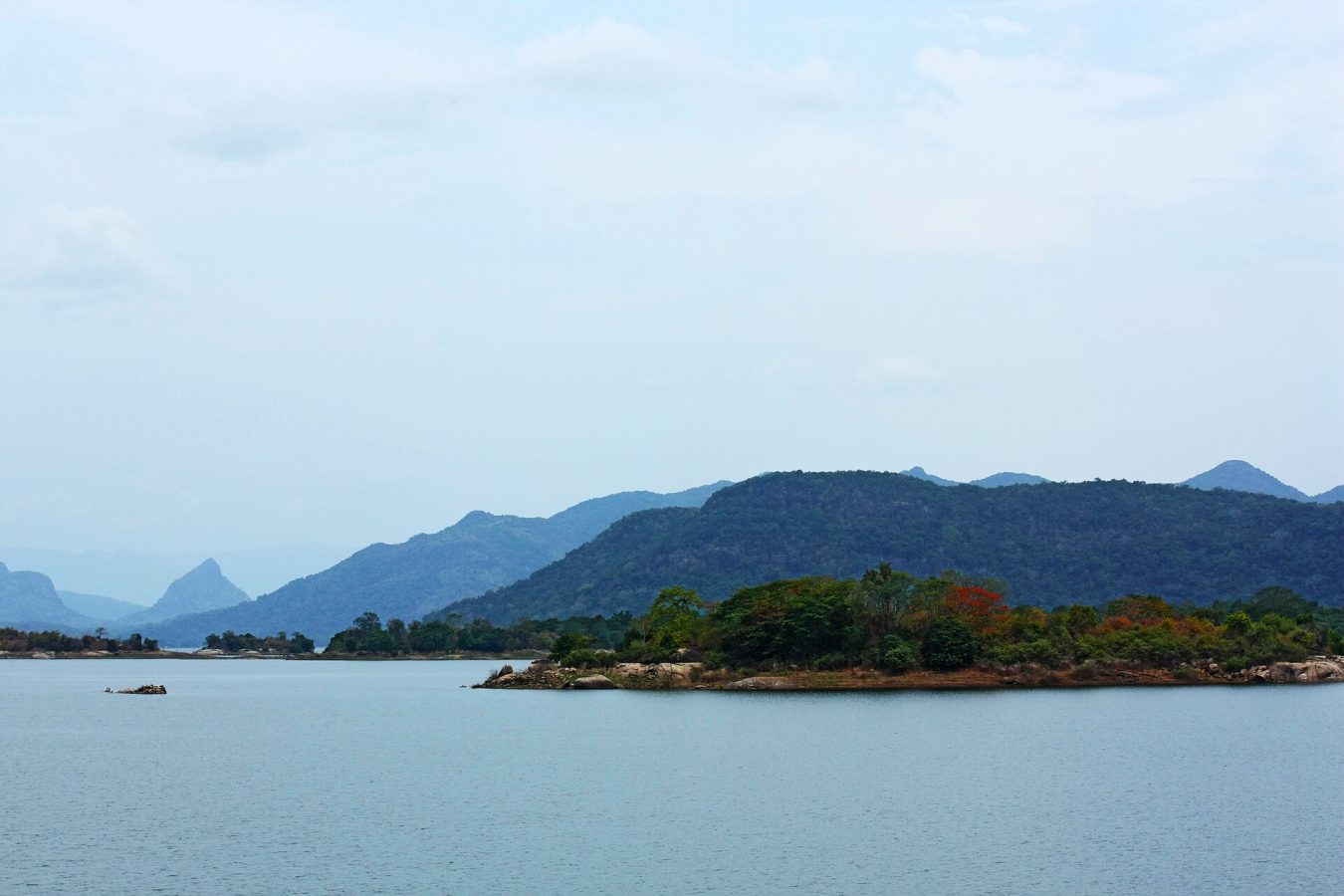
Photo: AntanO, CC BY-SA 4.0
Gal Oya lies in the little-visited south-east of Sri Lanka, inland from the east coast, about three hours from Ella and the hill country, two from the surf village of Arugam Bay, and seven or eight from Colombo, and it offers something no other park in the country does: a safari by boat. The park surrounds the Senanayake Samudraya, the largest reservoir on the island, and the boat safaris, booked through the wildlife department's office at Inginiyagala by the dam or, far more easily, through the lodges and the day-tour operators, cruise for two to three hours among its drowned trees and rocky islands with a wildlife department tracker aboard. The hope on every trip, and it is a fair one in the dry months, is to see elephants swimming from island to island, trunks raised like snorkels, or feeding on the islands' grass;
the rest is birds, crocodiles and great quiet. Jeep safaris enter by the Nilgala side in the west or from Inginiyagala, through forest and savanna where animals are shyer and fewer vehicles go than anywhere in the better-known parks. Day trips run from Arugam Bay, leaving before dawn. The small eco-lodge near the park, which works with the last community of the forest-dwelling Vedda people, offers walks with a Vedda chief who shows how his people found honey, medicine and food, a guided climb of the Monkey Mountain for sunrise, and night walks for lorises. Entrance, boat or jeep hire and tracker fees are usually included in tour prices, but ask.
Live dates and prices from GetYourGuide. Free cancellation on most tickets.
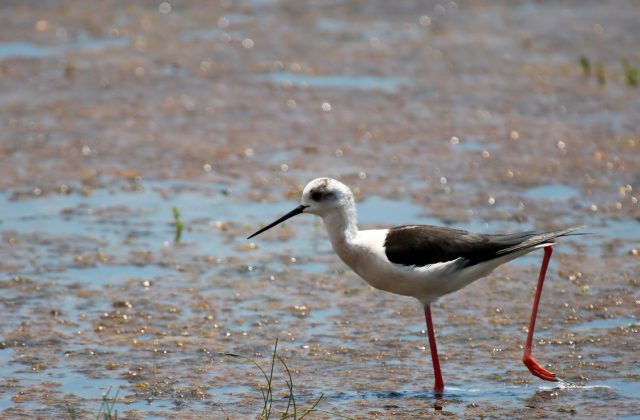
The park was established in 1954, when the damming of the Gal Oya river at Inginiyagala, the first great development scheme of independent Ceylon, created the Senanayake Samudraya, a reservoir of some 78 square kilometres named for the first prime minister, and the park and three adjoining sanctuaries were declared to protect its catchment; the park itself covers 259 square kilometres, and with the sanctuaries the protected block exceeds 600. The lake is studded with islands, the tops of drowned hills, of which one, Kurulu Dupatha or Bird Island, is a nesting colony of cormorants, egrets, herons, spot-billed pelicans, painted storks and ibis, overseen by white-bellied sea eagles and grey-headed fish eagles; mugger crocodiles bask on the rocks and water buffalo stand in the shallows. Some 150 elephants use the park throughout the year, and because new grass grows on the islands as the water falls, they swim out to it, the origin of the sight for which the park is known.
Around the lake lies a landscape unlike the scrub jungle of Yala or Wilpattu: open, park-like savanna, called talawa, of tall grass with scattered, fire-resistant trees, among them the three trees of the Ayurvedic remedy triphala, aralu, bulu and nelli, for which the Nilgala forest has been a royal and then a national medicinal reserve; and evergreen forest along the rivers and on the hills, which rise to about 900 metres. Leopards, sloth bears, sambar, spotted deer, barking deer, wild boar, toque macaques and purple-faced langurs are present, and among 150 birds the painted francolin, found in Sri Lanka only in this eastern savanna. At Makare, the Gal Oya flows into the reservoir through a rocky gorge. The Veddas, the island's aboriginal people, lived by hunting in these forests until the park and the settlement schemes ended that life; a community remains at Rathugala.
The park is open daily from 6 am to 6 pm, and boats go out early in the morning and in the late afternoon, wind permitting, since the lake grows rough by midday. March to July is the best period for swimming elephants, as the water level falls and the islands' grass draws them, and the weather is dry and hot;
the north-east monsoon brings rain from November to January, filling the reservoir, greening the savanna and thinning the sightings; the waterbirds nest on Bird Island from about December to April. Allow one or two nights. Arugam Bay's surf and Kumana's bird marshes are two hours south-east, Ella's tea hills three hours west, and the ancient hermitage of Buddhangala and the great dagoba of Deegavapi are near Ampara, an hour north.
Yes. GetYourGuide lists 7 tickets and tours for Gal Oya National Park, with live dates and prices and free cancellation on most of them.
The park is open daily from 6 am to 6 pm, and boats go out early in the morning and in the late afternoon, wind permitting, since the lake grows rough by midday.
Allow one or two nights.
Gal Oya National Park covers 259 km².
Gal Oya National Park was established in 1954.
Gal Oya National Park is in Sri Lanka. The map on this page shows the exact spot.
Sri Lanka
Yala is Sri Lanka's most visited national park and the place with the best odds of seeing a wild leopard anywhere…
314 tickets & tours
Sri Lanka
Minneriya is the park of the elephant gathering, the largest seasonal concentration of Asian elephants in the world,…
127 tickets & tours
Sri Lanka
Wilpattu is Sri Lanka's largest and oldest national park and the quieter counterpart to Yala, on the north-west…
54 tickets & tours
Sri Lanka
Udawalawe is Sri Lanka's elephant park, four hours from Colombo and two from the south-coast beaches, and it is…
36 tickets & tours
Sri Lanka
Kaudulla is the elephant park in Sri Lanka's cultural triangle, half an hour from Habarana and Sigiriya and an…
33 tickets & tours
Sri Lanka
Bundala is the wetland park on the south coast of Sri Lanka near Hambantota, half an hour from Tissamaharama and the…
23 tickets & tours