Ikara-Flinders Ranges National Park
South Australia, Australia
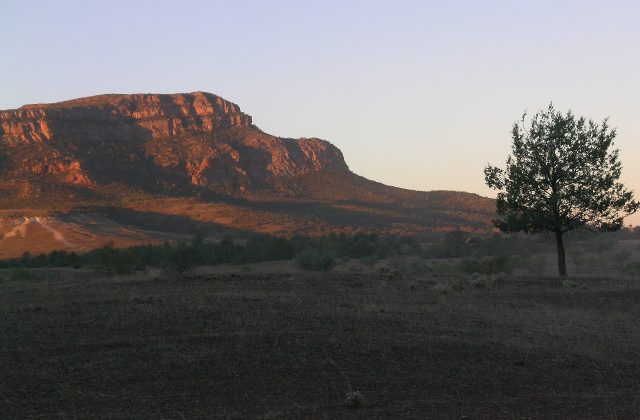
The Flinders Ranges are the great mountain chain of South Australia, a line of rugged, purple and ochre ridges running…
3 tickets & tours
Marine Park · South Australia · Australia
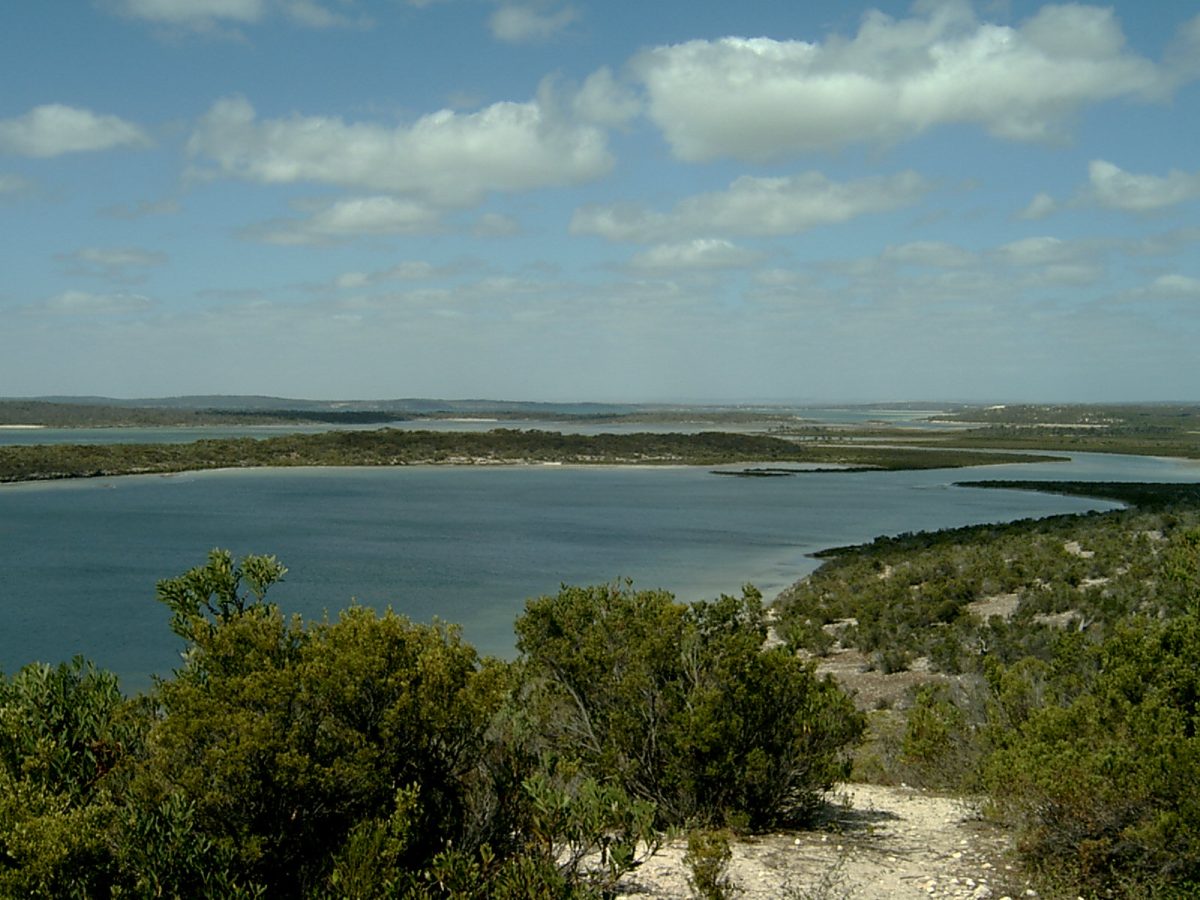
Coffin Bay National Park occupies a long, hooked peninsula on the western side of the southern Eyre Peninsula in South Australia, beside the small fishing and holiday township of Coffin Bay, which is famous across Australia for its oysters; it lies forty-five kilometres, about forty minutes, from Port Lincoln, the regional centre, which has daily flights from Adelaide in about fifty minutes, or seven hours by road. It has nothing to do with the coffin cave tours of Sabah in Borneo that appear beside it in searches. The South Australian parks agency charges a vehicle entry fee, paid online before arrival, together with any camping fees, since there is no staffed gate. The park is in two parts as far as visitors are concerned.
The southern section is reached by a sealed road, suitable for any car, which runs fifteen kilometres from the entrance to Point Avoid and Golden Island lookout, with spectacular views of surf beaches, limestone cliffs and offshore islands, to Almonta beach, a long, white, usually empty strand, and to the sheltered Yangie Bay, where there are a campground, a lookout walk and calm water for kayaking. Beyond Yangie Bay, everything is four-wheel drive only, on soft sand tracks that require lowered tyre pressures, recovery gear, a knowledge of the tides, since part of the route follows Seven Mile Beach, and several hours: to Black Springs, Morgans Landing, Point Sir Isaac and Sensation Beach at the far tip. For visitors without a suitable vehicle or experience, the 4×4 day tours from Port Lincoln cover these northern tracks, with a picnic, wildlife and an oyster tasting. In the township, oyster-farm tours take guests wading in the bay to eat oysters straight from the water, and the Oyster Walk follows the shore.
Live dates and prices from GetYourGuide. Free cancellation on most tickets.
The peninsula was proclaimed a national park in 1982 and covers about 310 square kilometres. Matthew Flinders, charting this coast in the Investigator in February 1802, named the bay after his friend Sir Isaac Coffin, the naval commissioner at Sheerness who had helped fit out the ship, which disposes of the more sinister explanations; the country is the traditional land of the Nauo people. The park has two coasts of wholly different character. The southern and western shores face the Great Australian Bight and the Southern Ocean, and take the full force of its swell: high, crumbling cliffs of calcarenite, a limestone formed from ancient dunes, reefs, blowholes, surf beaches with dangerous rips where the surf fishing for salmon is renowned, and vast mobile dune fields, some of them hundreds of metres across and blindingly white, which are slowly advancing over the scrub. The northern shore faces the sheltered, shallow waters of the Coffin Bay inlets, with quiet beaches, samphire flats, seagrass meadows and the racks of the oyster leases.
Between them the land is low coastal mallee, sheoak and tea-tree scrub and heath, which flowers from late winter into spring. Western grey kangaroos and emus are seen everywhere, often on the beaches; goannas, bobtail lizards, brush-tailed possums and, offshore, Australian sea lions, which breed on the nearby islands, bottlenose dolphins, which live in the bay, and southern right whales passing in winter make up the larger wildlife, and the birds include white-bellied sea eagles, ospreys, the endangered hooded plover nesting on the ocean beaches, pied and sooty oystercatchers, and thousands of migratory waders on the tidal flats in summer. A herd of feral ponies, descended from horses brought to a pastoral run here in the 1840s and known as the Coffin Bay brumbies, lived in the park until 2004, when, after a long and emotional dispute, they were moved to land outside it. Native oysters were dredged here to exhaustion in the nineteenth century; the present industry, based on the Pacific oyster, dates from the 1960s.
The park is open at all times. Summer, from December to February, is warm and dry, 25 to 30 degrees and sometimes much hotter, with the best beach weather, strong afternoon sea breezes, a risk of bushfire that can close the park on days of extreme danger, and the most visitors during the January school holidays; autumn, from March to May, is settled, calm and the pleasantest season;
winter is mild, showery and windy, with whales offshore from June to October; spring brings wildflowers. There is no drinking water, fuel or food in the park, and mobile coverage is poor. Do not swim at the ocean beaches. Allow a full day, two with the 4×4 section. Coffin Bay township is at the gate, Port Lincoln forty minutes east, with its shark-cage and sea-lion trips, and Lincoln National Park and Whalers Way to the south.
Yes. GetYourGuide lists one ticket or tour for Coffin Bay National Park, with live dates and prices and free cancellation on most of them.
The South Australian parks agency charges a vehicle entry fee, paid online before arrival, together with any camping fees, since there is no staffed gate.
The park is open at all times.
Allow a full day, two with the 4x4 section.
Coffin Bay National Park covers 311 km².
Coffin Bay National Park was established in 1982.
Coffin Bay National Park is in South Australia, Australia. The map on this page shows the exact spot.
South Australia, Australia
The Flinders Ranges are the great mountain chain of South Australia, a line of rugged, purple and ochre ridges running…
3 tickets & tours
South Australia, Australia
The Coorong is a long, narrow, shallow lagoon on the coast of South Australia, running for some 130 kilometres…
No online ticket
South Australia, Australia
Flinders Chase occupies the wild western end of Kangaroo Island, the third largest island of Australia, which lies off…
No online ticket
South Australia, Australia
The Naracoorte Caves lie in the south-east of South Australia, in the wine and farming country called the Limestone…
No online ticket