Lençóis Maranhenses National Park
Brazil
Lençóis Maranhenses is the field of white dunes and rainwater lagoons on the coast of Maranhão in north-eastern Brazil,…
12 tickets & tours
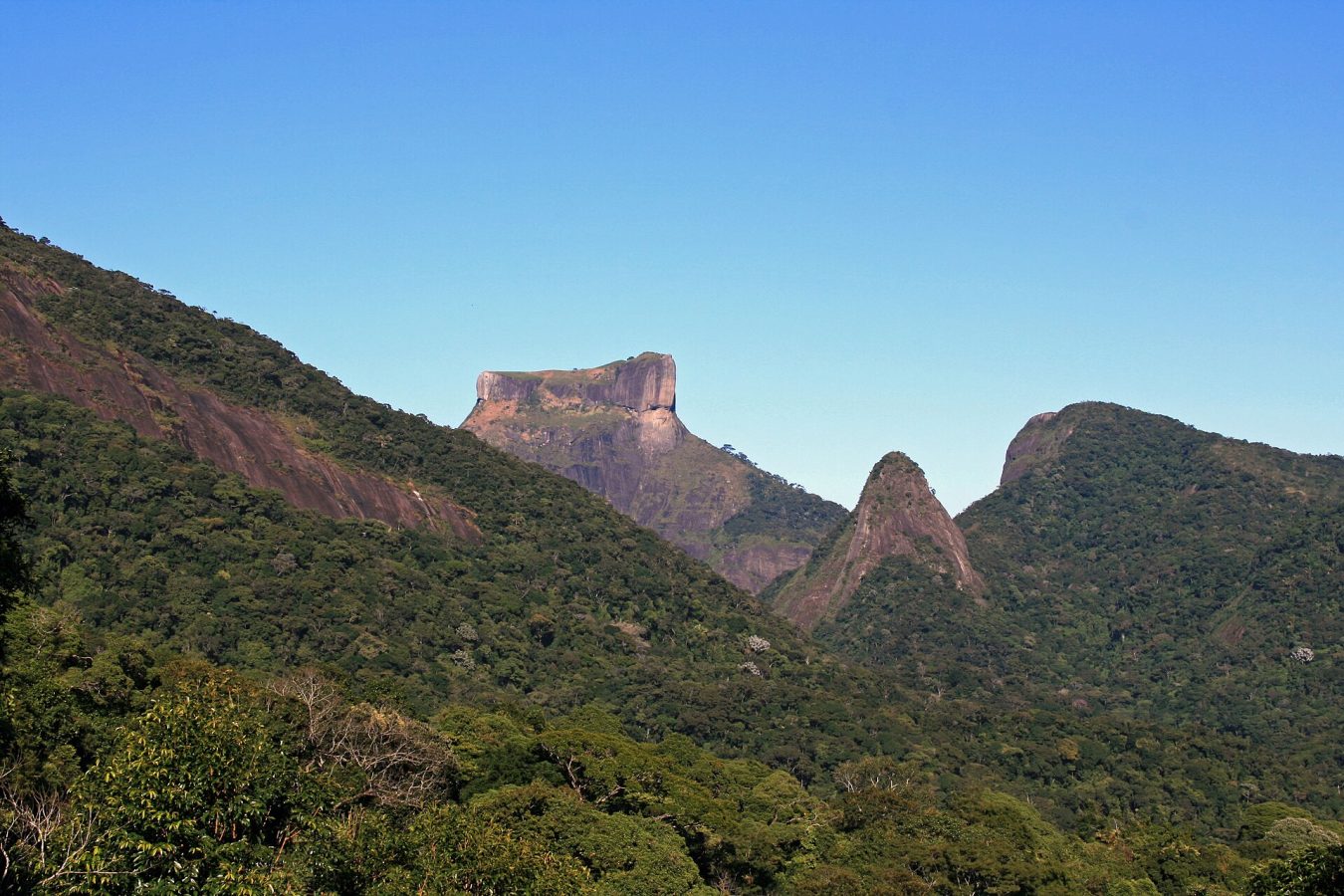
Photo: Halley Pacheco de Oliveira, CC BY-SA 3.0
Tijuca is the rainforest inside the city of Rio de Janeiro, and it is visited on half-day and full-day tours from the beach hotels, because the park has several separate sectors, no public transport inside and trails that are safer with a guide. The jeep tours, in open vehicles, drive the Tijuca Forest sector's road through the trees to the Cascatinha waterfall, the Mayrink chapel and the Vista Chinesa and Mesa do Imperador viewpoints, often combined with the Botanical Garden, and are the easy, family option; the hiking tours climb the Pico da Tijuca, the park's highest point at 1,022 metres with a stone staircase to the summit, or the Pedra Bonita for the hang-glider launch, or walk to the waterfalls and the Cave of Paulo e Virgínia, and a full-day hike takes in several.
The tours that include Corcovado and the Christ the Redeemer statue, which technically stand inside the park's second sector, are sold under the statue's name and are not forest tours. There is no entrance fee for the forest sector, only for the Christ and the Sugarloaf. Independent visitors take a taxi or ride-share to the Alta da Boa Vista entrance and walk the marked trails from the visitor centre, which is easy enough for the waterfalls and the Pico; the more remote paths are better in company. Private guides with transport cost more than shared jeeps and let you choose the trail.
Live dates and prices from GetYourGuide. Free cancellation on most tickets.
Tijuca is one of the largest urban forests in the world, about 40 square kilometres of Atlantic Forest on the mountains that divide Rio's beaches from its northern suburbs, and unlike the wild parks it is a forest that was planted: the hills had been cleared for coffee and firewood by the 1850s and the city's water supply was failing, so from 1861 Emperor Pedro II had the slopes replanted, a task carried out over thirteen years by six enslaved people under the forest manager Manuel Gomes Archer, who planted more than a hundred thousand native trees. It became a national park in 1961 and a UNESCO site as part of the Rio landscape in 2012.
The Forest sector, the heart of the park, has the Cascatinha Taunay waterfall by the road, the small Mayrink chapel with panels by Portinari, the Vista Chinesa pagoda looking over the lagoon and the beaches, and the trails to the Pico da Tijuca, whose last stretch is a staircase cut into the rock with a view of the whole city and bay. The Serra da Carioca sector holds Corcovado and the Christ, the Dona Marta lookout, the Paineiras road and the Pedra Bonita, from which hang-gliders launch over São Conrado; the Pedra da Gávea, the huge flat-topped rock above the beach, is the park's hardest climb with a roped section. The forest is home to capuchins, marmosets, coatis, agoutis, sloths, toucans and hummingbirds, and the howler monkeys reintroduced in 2015 can be heard again. The park is a place where cariocas run, picnic and hike on weekends and its cool shade is a relief from the beaches below.
The Forest sector is open daily from 8 am to 5 pm, with the gates locked at dusk, and the Corcovado sector runs on the train and van schedule from 8 am to 7 pm. Rio is warm all year; the dry, cooler months from May to October have the clearest views from the peaks and the most comfortable hiking, and the summer from December to March is hot and humid with afternoon storms and mist on the summits, though the waterfalls are at their best.
Weekends fill the trails and the viewpoints with locals, and weekday mornings are quiet. Allow half a day for the jeep tour or a full day for the Pico da Tijuca hike. Corcovado and the Botanical Garden sit on the park's edge, and Sugarloaf is across the city.
Yes. GetYourGuide lists 30 tickets and tours for Tijuca National Park, with live dates and prices and free cancellation on most of them.
There is no entrance fee for the forest sector, only for the Christ and the Sugarloaf.
There is no entrance fee for the forest sector, only for the Christ and the Sugarloaf.
The Forest sector is open daily from 8 am to 5 pm, with the gates locked at dusk, and the Corcovado sector runs on the train and van schedule from 8 am to 7 pm.
Allow half a day for the jeep tour or a full day for the Pico da Tijuca hike.
Tijuca National Park covers 39.6 km².
Tijuca National Park was established in 1961.
Tijuca National Park receives about 3.3 million a year (2016).
Tijuca National Park is in Brazil. The map on this page shows the exact spot.
Brazil
Lençóis Maranhenses is the field of white dunes and rainwater lagoons on the coast of Maranhão in north-eastern Brazil,…
12 tickets & tours
Brazil
Iguaçu National Park is the Brazilian side of the falls at Foz do Iguaçu, and its visit is one walk: the entrance…
9 tickets & tours
Brazil
The Serra dos Órgãos is the mountain range that closes the northern horizon of Guanabara Bay, whose granite needles are…
5 tickets & tours
Brazil
The Chapada Diamantina is a range of table mountains, canyons, waterfalls and caves in the dry interior of the…
3 tickets & tours
Brazil
Itatiaia is the oldest national park in Brazil, in the Mantiqueira mountains on the border of the states of Rio de…
3 tickets & tours
Brazil
Jau is one of the largest protected areas of tropical rainforest in the world, in the Brazilian state of Amazonas, on…
2 tickets & tours